Welcome

Who says we have to suffer...to live a healthy happy vibrant life?

Red wine and dark chocolate... might seem decadent...but these guilty pleasures also might help us live longer...and healthier lives. Red wine and dark chocolate definitely improve an evening..but they also contain resveratrol..which lowers blood sugar. Red wine is a great source of catechins..which boost protective HDL cholesterol. Green tea? Protects your brain..helps you live longer..and soothes your spirit.

Food for Thought, the blog, is about living the good life...a life we create with our thoughts and our choices...and having fun the whole while!

I say lets make the thoughts good ones..and let the choices be healthy...exciting...and delicious! Bon Appetit!

Friday, April 22, 2016

Avoid these pesticide-laden foods; they’re the most sprayed.

Earth Day April 22nd, 2016


EWG (Environmental Working Group) analyzed pesticide residue testing data from the U.S. Department of Agriculture and Food and Drug Administration to come up with rankings for these popular fresh produce items. All 48 foods are listed below from worst to best (lower numbers = more pesticides).
EWG analyzed pesticide tests of 48 popular produce items. Domestic and imported versions of two items – blueberries and snap peas – showed sharply different results, so we have ranked those domestic and imported items separately. As a result, the full list of foods ranked by the Shopper’s Guide displays 50 entries.
1EWG's Dirty Dozen Plus and Clean Fifteen Lists
Strawberries

2EWG's Dirty Dozen Plus and Clean Fifteen Lists

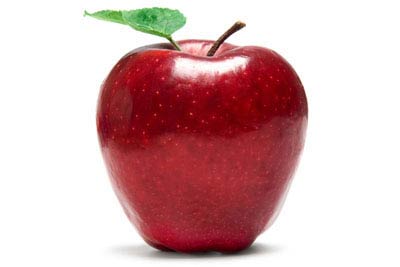
Apples

3EWG's Dirty Dozen Plus and Clean Fifteen Lists

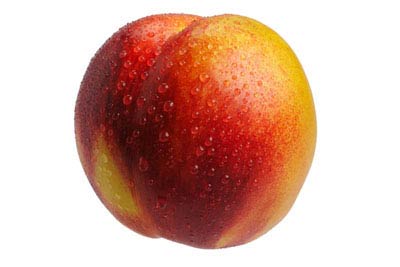
Nectarines

4EWG's Dirty Dozen Plus and Clean Fifteen Lists

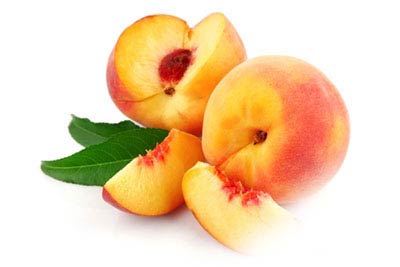
Peaches

5EWG's Dirty Dozen Plus and Clean Fifteen Lists

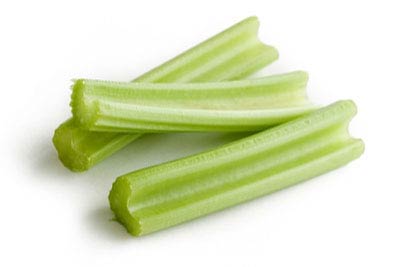
Celery

6EWG's Dirty Dozen Plus and Clean Fifteen Lists

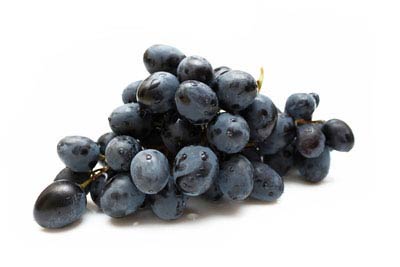
Grapes

7EWG's Dirty Dozen Plus and Clean Fifteen Lists

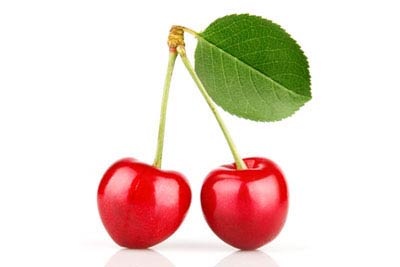
Cherries

8EWG's Dirty Dozen Plus and Clean Fifteen Lists

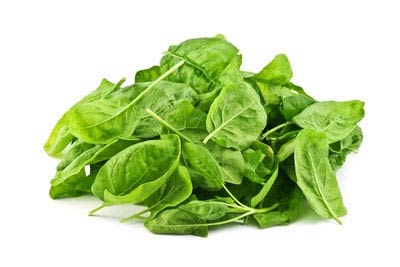
Spinach

9EWG's Dirty Dozen Plus and Clean Fifteen Lists

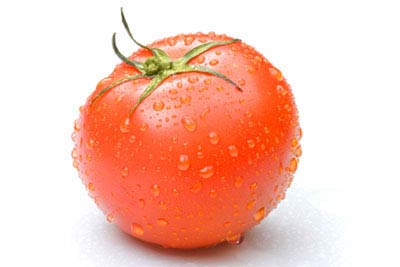
Tomatoes

10EWG's Dirty Dozen Plus and Clean Fifteen Lists

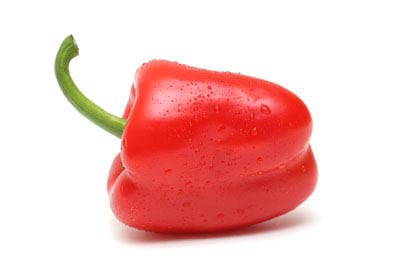
Sweet bell peppers

11EWG's Dirty Dozen Plus and Clean Fifteen Lists

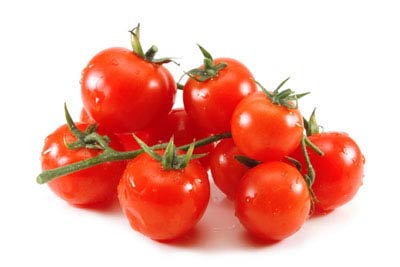
Cherry tomatoes

12EWG's Dirty Dozen Plus and Clean Fifteen Lists

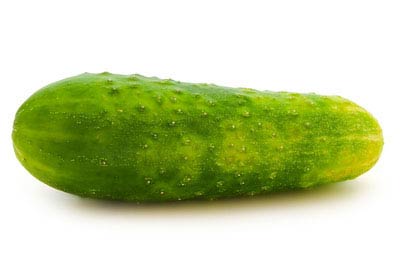
Cucumbers

13EWG's Dirty Dozen Plus and Clean Fifteen Lists

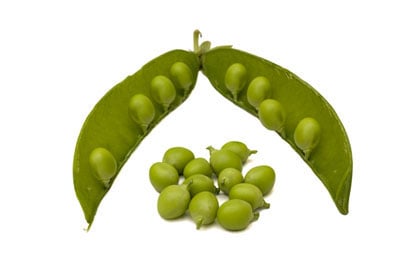
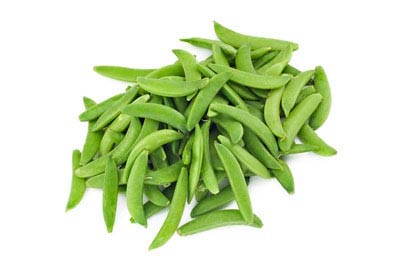
Snap peas – imported

14EWG's Dirty Dozen Plus and Clean Fifteen Lists

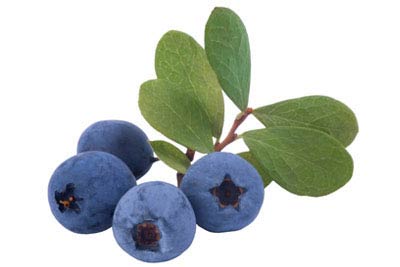
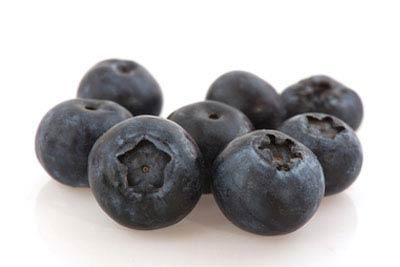
Blueberries – domestic

15EWG's Dirty Dozen Plus and Clean Fifteen Lists

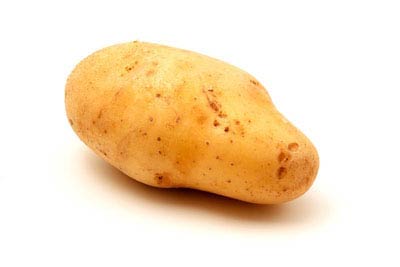
Potatoes

16EWG's Dirty Dozen Plus and Clean Fifteen Lists

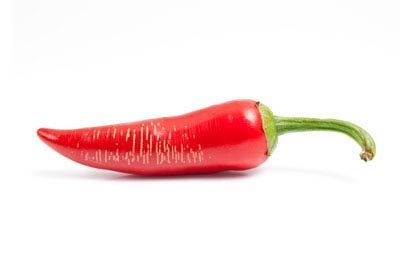
Hot peppers +

17EWG's Dirty Dozen Plus and Clean Fifteen Lists

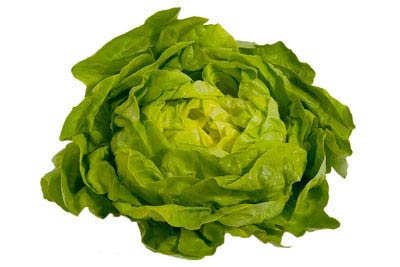
Lettuce

18EWG's Dirty Dozen Plus and Clean Fifteen Lists

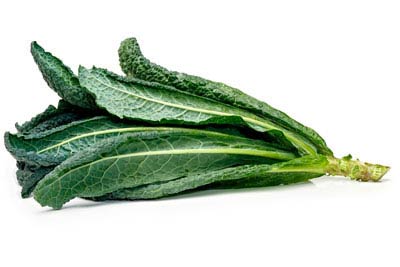
Kale / collard greens +

19EWG's Dirty Dozen Plus and Clean Fifteen Lists

Blueberries – imported

20EWG's Dirty Dozen Plus and Clean Fifteen Lists

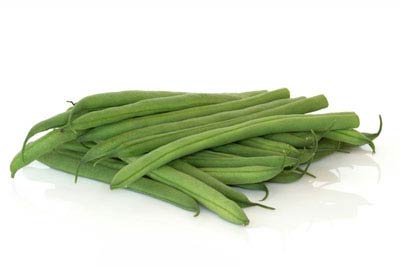
Green beans

21EWG's Dirty Dozen Plus and Clean Fifteen Lists

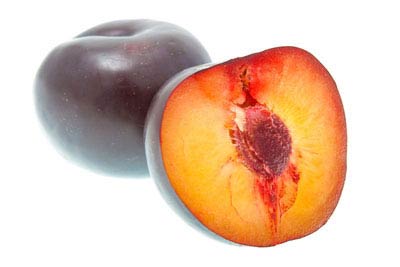
Plums

22EWG's Dirty Dozen Plus and Clean Fifteen Lists

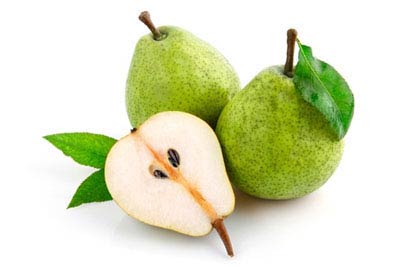
Pears

23EWG's Dirty Dozen Plus and Clean Fifteen Lists

Raspberries

24EWG's Dirty Dozen Plus and Clean Fifteen Lists

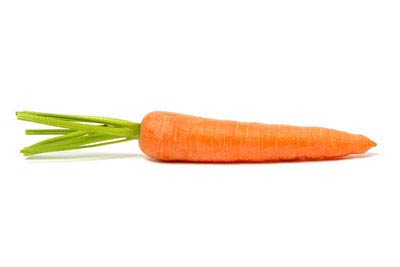
Carrots

25EWG's Dirty Dozen Plus and Clean Fifteen Lists

Winter squash

26EWG's Dirty Dozen Plus and Clean Fifteen Lists

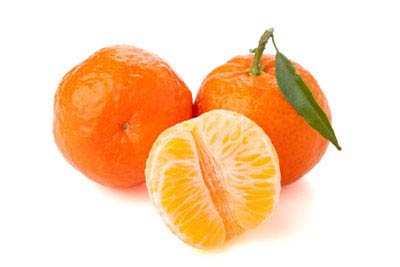
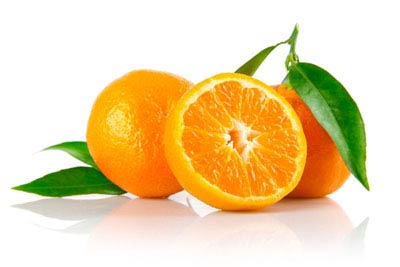
Tangerines

27EWG's Dirty Dozen Plus and Clean Fifteen Lists

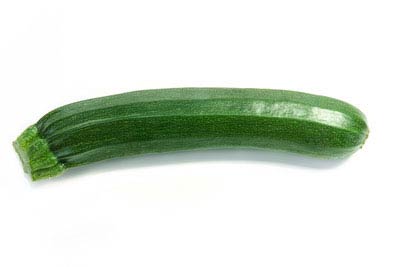
Summer squash*

28EWG's Dirty Dozen Plus and Clean Fifteen Lists

Snap peas – domestic

29EWG's Dirty Dozen Plus and Clean Fifteen Lists

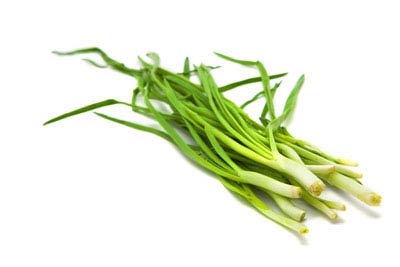
Green onions

30EWG's Dirty Dozen Plus and Clean Fifteen Lists

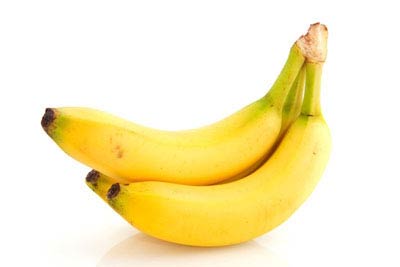
Bananas

31EWG's Dirty Dozen Plus and Clean Fifteen Lists

Oranges

32EWG's Dirty Dozen Plus and Clean Fifteen Lists

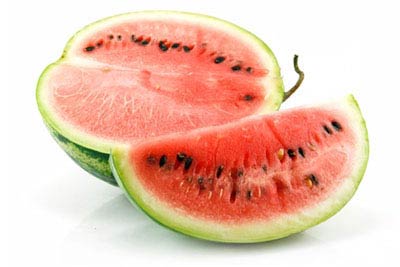
Watermelon

33EWG's Dirty Dozen Plus and Clean Fifteen Lists

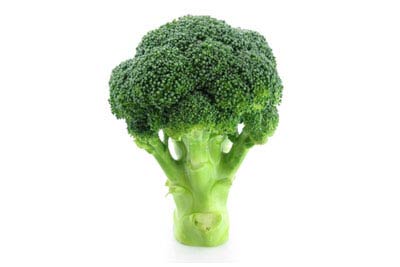
Broccoli

34EWG's Dirty Dozen Plus and Clean Fifteen Lists

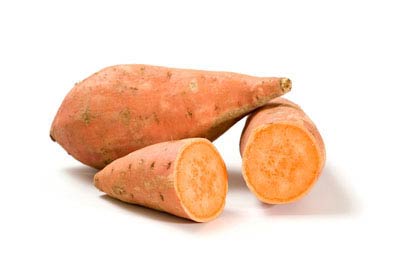
Sweet potatoes

35EWG's Dirty Dozen Plus and Clean Fifteen Lists

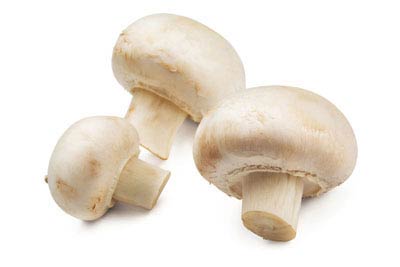
Mushrooms

36EWG's Dirty Dozen Plus and Clean Fifteen Lists

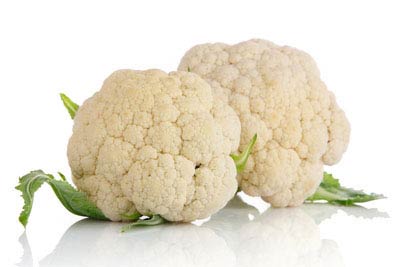
Cauliflower

37EWG's Dirty Dozen Plus and Clean Fifteen Lists

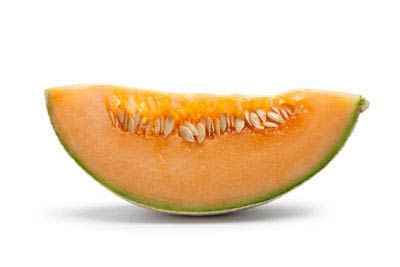
Cantaloupe

38EWG's Dirty Dozen Plus and Clean Fifteen Lists

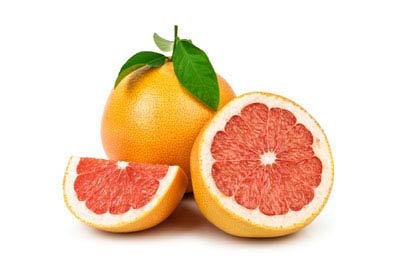
Grapefruit

39EWG's Dirty Dozen Plus and Clean Fifteen Lists

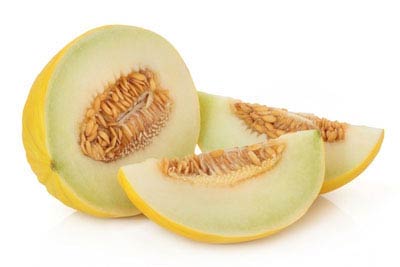
Honeydew melon

40EWG's Dirty Dozen Plus and Clean Fifteen Lists

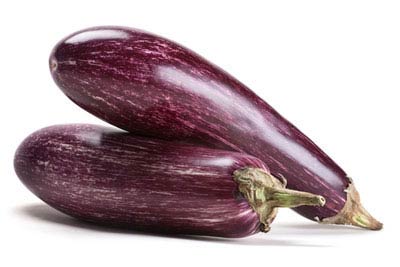
Eggplant

41EWG's Dirty Dozen Plus and Clean Fifteen Lists

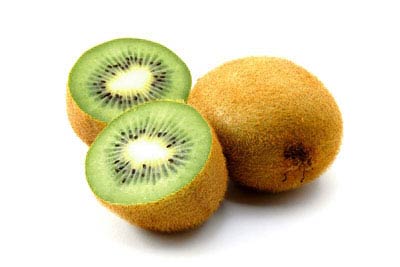
Kiwi

42EWG's Dirty Dozen Plus and Clean Fifteen Lists

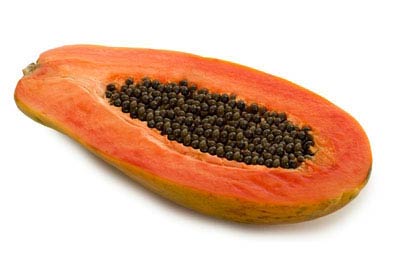
Papayas*

43EWG's Dirty Dozen Plus and Clean Fifteen Lists

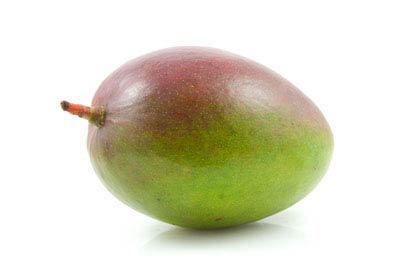
Mangos

44EWG's Dirty Dozen Plus and Clean Fifteen Lists

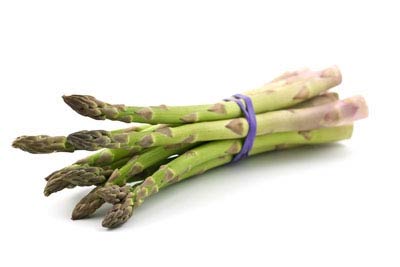
Asparagus

45EWG's Dirty Dozen Plus and Clean Fifteen Lists

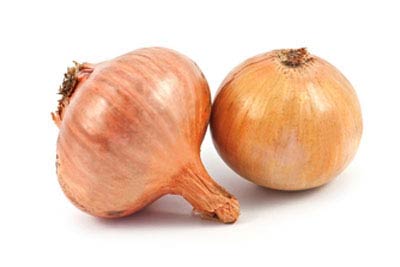
Onions

46EWG's Dirty Dozen Plus and Clean Fifteen Lists

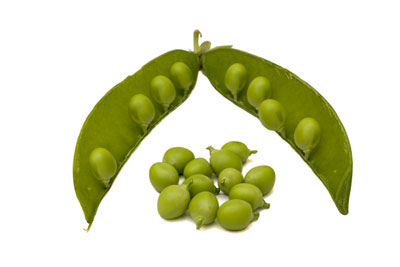
Sweet peas frozen

47EWG's Dirty Dozen Plus and Clean Fifteen Lists

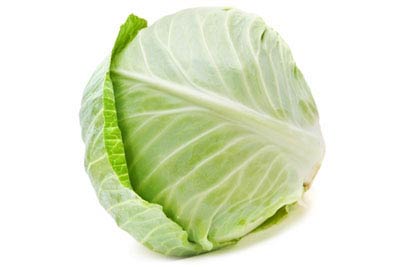
Cabbage

48EWG's Dirty Dozen Plus and Clean Fifteen Lists

Pineapples

49EWG's Dirty Dozen Plus and Clean Fifteen Lists

Sweet Corn*

50EWG's Dirty Dozen Plus and Clean Fifteen Lists

Avocados

Wednesday, April 13, 2016

Here comes the sun, or rather the sunshine vitamin, to the rescue against cancer.


Lower levels of vitamin D have been linked with a higher risk of cancer, researchers have found. The study supports a link found between vitamin D status and rates of breast, lung and bladder cancer first seen in the 1980s.


My hope is that the findings from this research might shape healthcare guidelines by identifying vitamin D status as a key prevention tool. Being aware of the relationship of cancer and low vitamin D would allow primary prevention to slow or reverse upward trends in cancer incidence, treatment burden, mortality, and associated costs.

Look at 2012. There were 14 million new cases of cancer worldwide in 2012 and 8.2 million cancer- related deaths. The annual number of new cases is projected to increase to 22 million within the next twenty years.
In Europe and North America cancer is the most significant cause of death and morbidity after cardiovascular diseases.

In this study, University of California, San Diego School of Medicine researchers sought to determine what blood level of vitamin D was required to effectively reduce cancer risk. They were specifically looking at 25-hydroxyvitamin D, the main form of vitamin D in the blood, as a marker for vitamin D levels. They combined data from two previous studies. One was a randomized clinical trial of 1,169 women (Lappe trial cohort) and the other was a prospective cohort study of 1,135 women (GrassrootsHealth cohort). By combining the two studies, the researchers were able to work from a larger sample size and a greater range of blood serum levels of 25-hydroxyvitamin D (25(OH)D).

It is generally accepted that the most accurate measure of vitamin D levels in a person is a blood test. In the Lappe trial cohort, the median blood serum level of 25(OH)D was 30 nanograms (ng) per millilitre (ml). In the GrassrootsHealth prospective cohort, it was higher: 48 ng/ml. The team found that the age-adjusted cancer incidence was 1,020 cases per 100,000 person-years in the Lappe cohort and 722 per 100,000 person-years in the GrassrootsHealth cohort.

In other words, rates of cancer declined with increased 25(OH)D levels. Females with 25(OH)D concentrations of 40 ng/ml or greater had a 67% lower risk of cancer than women with levels of 20 ng/ml or less. 

"These findings support an inverse association between 25(OH)D and risk of cancer," said Dr Cedric Garland, adjunct professor in the UC San Diego School of Medicine Department of Family Medicine and Public Health and member of Moores Cancer Center at UC San Diego Health.

“It highlights the importance for cancer prevention of achieving a vitamin D blood serum

concentration above 20 ng/ml, the concentration recommended by the Institute of Medicine for bone health." 


The results suggest the importance of vitamin D for the prevention of cancer and are supported by a number of additional studies that have also found a similar reduction in risk for individual cancers. 

In a hospital-based case control study women with serum concentrations of more than 60 ng/ml had an 83% reduction in breast cancer risk compared to women with concentrations less than 20 ng/ml. 

A population based study found a 63% lower risk of breast cancer for women with 25(OH)D concentrations of 30 ng/ml compared to women with concentrations of less than 20 ng/ml, with a 71% lower risk among post-menopausal women.


A nested case control study found a 55% lower risk of colorectal cancer in women with 25(OH)D concentrations of 29 ng/ml compared to women with concentrations of less than 18 ng/ml.

The wealth of studies has made recommending an optimum blood serum level of vitamin D difficult to establish. 


Garland did not identify a singular, optimum daily intake of vitamin D or the manner of intake, which may be sunlight exposure, diet and/or supplementation.
He stated that the current study clarified that reduced cancer risk became measurable at 40 ng/ml, with additional benefit at higher levels. 

All of this means that a target vitamin D level recommended by the US Institute of Medicine of 20g/mL is not ideal for reducing cancer risk. If that is the goal higher blood levels may be advised.


“Serum 25-Hydroxyvitamin D Concentrations 40 ng/ml Are Associated with >65% Lower Cancer Risk: Pooled Analysis of Randomized Trial and Prospective Cohort Study.”
Authors: Sharon McDonnell, Carole Baggerly, Christine French, Leo Baggerly, Cedric Garland, Edward Gorham, Joan Lappe, Robert Heaney. 


Thursday, February 18, 2016

Omega-3's EPA/DHA are the most studied nutrients in history. 30,000 studies published as of December 2015.

So much for journalists claiming there is not enough science to recommend taking omega-3's from fish. Go on ignore the research. You are simply demonstrating natural selection. Darwin would be proud.
Have just returned from a conference on fish oil Omega-3s in the Canary Islands. Here are a few images from that meeting.

Omega-3's are not only the most studied nutrients. There are more randomized controlled studies on them than on many prescription medications. Take a look!


And the rate of positive findings, meaning benefit to study participants is consistently high. Around 80% of trials found benefit. The remainder found no effect. 80%. Not bad!

And there have been many many studies. 30,000 as of December 2015.

So how many studies did the naysayers in recent NYTimes and Frontline stories review?
Eighteen. Thats right, they selected Eighteen studies. From which they make the broad statement that there is not enough science. Wow. That is some bold assertion given the numbers.


I don't know about you but for me and my family...we're sticking with the fish oils. Because of the science.

My thanks to Adam Ismail at GOED for the images. Great presentation Adam! Check out the science of Omega-3s at Always Omega-3's and at the Fats of Life Newsletter.