Welcome

Who says we have to suffer...to live a healthy happy vibrant life?

Red wine and dark chocolate... might seem decadent...but these guilty pleasures also might help us live longer...and healthier lives. Red wine and dark chocolate definitely improve an evening..but they also contain resveratrol..which lowers blood sugar. Red wine is a great source of catechins..which boost protective HDL cholesterol. Green tea? Protects your brain..helps you live longer..and soothes your spirit.

Food for Thought, the blog, is about living the good life...a life we create with our thoughts and our choices...and having fun the whole while!

I say lets make the thoughts good ones..and let the choices be healthy...exciting...and delicious! Bon Appetit!

Friday, April 22, 2016

Avoid these pesticide-laden foods; they’re the most sprayed.

Earth Day April 22nd, 2016


EWG (Environmental Working Group) analyzed pesticide residue testing data from the U.S. Department of Agriculture and Food and Drug Administration to come up with rankings for these popular fresh produce items. All 48 foods are listed below from worst to best (lower numbers = more pesticides).
EWG analyzed pesticide tests of 48 popular produce items. Domestic and imported versions of two items – blueberries and snap peas – showed sharply different results, so we have ranked those domestic and imported items separately. As a result, the full list of foods ranked by the Shopper’s Guide displays 50 entries.
1EWG's Dirty Dozen Plus and Clean Fifteen Lists

Strawberries

2EWG's Dirty Dozen Plus and Clean Fifteen Lists

Apples

3EWG's Dirty Dozen Plus and Clean Fifteen Lists

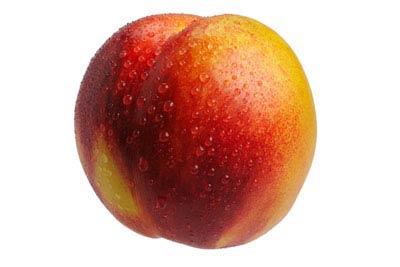
Nectarines

4EWG's Dirty Dozen Plus and Clean Fifteen Lists

Peaches

5EWG's Dirty Dozen Plus and Clean Fifteen Lists

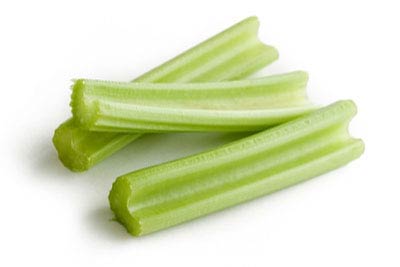
Celery

6EWG's Dirty Dozen Plus and Clean Fifteen Lists

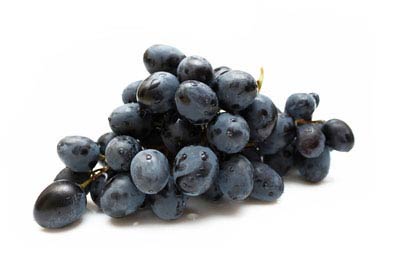
Grapes

7EWG's Dirty Dozen Plus and Clean Fifteen Lists

Cherries

8EWG's Dirty Dozen Plus and Clean Fifteen Lists

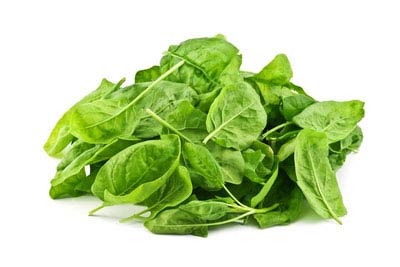
Spinach

9EWG's Dirty Dozen Plus and Clean Fifteen Lists

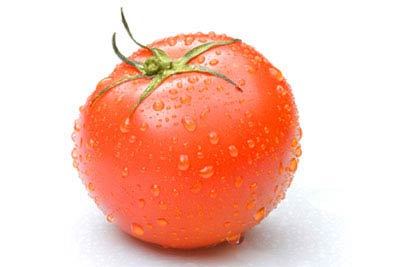
Tomatoes

10EWG's Dirty Dozen Plus and Clean Fifteen Lists

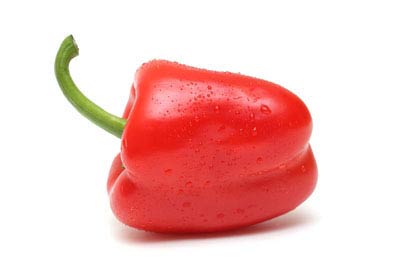
Sweet bell peppers

11EWG's Dirty Dozen Plus and Clean Fifteen Lists

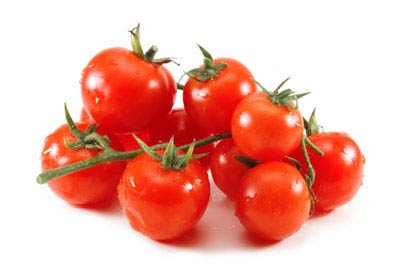
Cherry tomatoes

12EWG's Dirty Dozen Plus and Clean Fifteen Lists

Cucumbers

13EWG's Dirty Dozen Plus and Clean Fifteen Lists

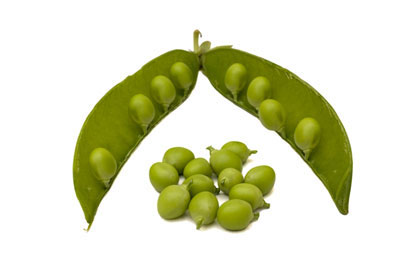
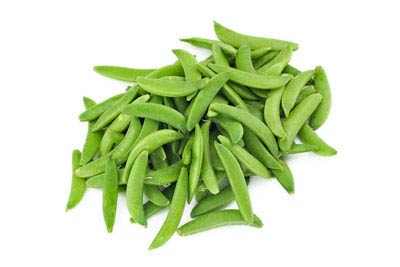
Snap peas – imported

14EWG's Dirty Dozen Plus and Clean Fifteen Lists

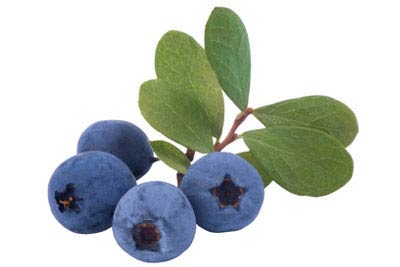
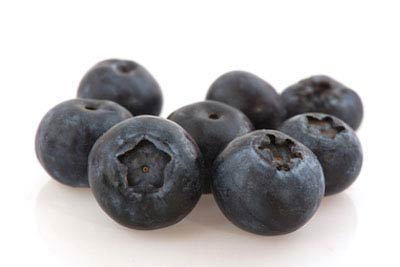
Blueberries – domestic

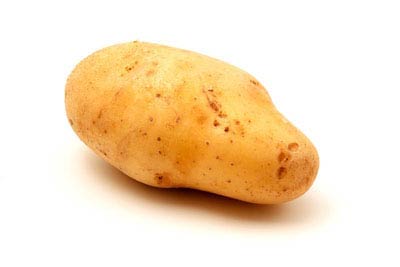
15EWG's Dirty Dozen Plus and Clean Fifteen Lists

Potatoes

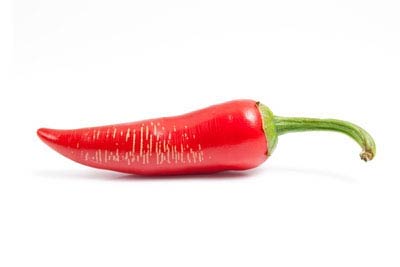
16EWG's Dirty Dozen Plus and Clean Fifteen Lists

Hot peppers +

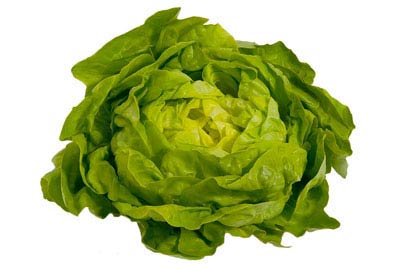
17EWG's Dirty Dozen Plus and Clean Fifteen Lists

Lettuce

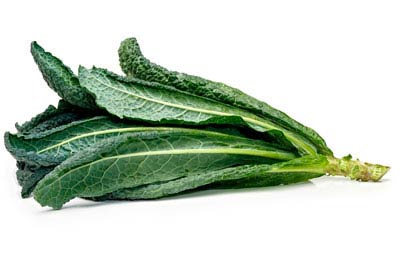
18EWG's Dirty Dozen Plus and Clean Fifteen Lists

Kale / collard greens +

19EWG's Dirty Dozen Plus and Clean Fifteen Lists

Blueberries – imported

20EWG's Dirty Dozen Plus and Clean Fifteen Lists

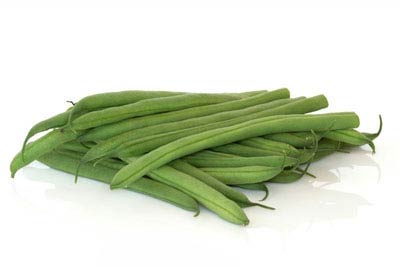
Green beans

21EWG's Dirty Dozen Plus and Clean Fifteen Lists

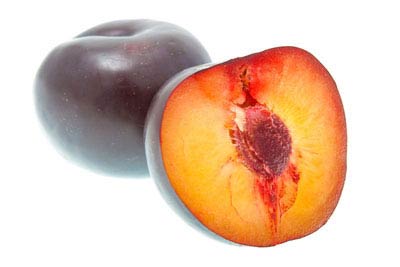
Plums

22EWG's Dirty Dozen Plus and Clean Fifteen Lists

Pears

23EWG's Dirty Dozen Plus and Clean Fifteen Lists

Raspberries

24EWG's Dirty Dozen Plus and Clean Fifteen Lists

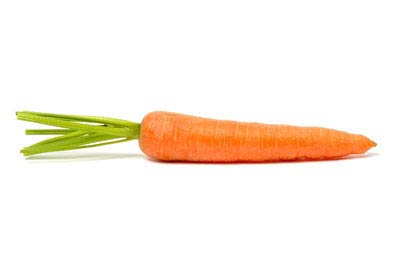
Carrots

25EWG's Dirty Dozen Plus and Clean Fifteen Lists

Winter squash

26EWG's Dirty Dozen Plus and Clean Fifteen Lists

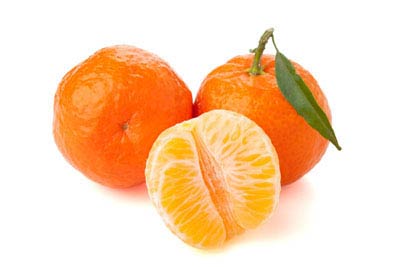
Tangerines

27EWG's Dirty Dozen Plus and Clean Fifteen Lists

Summer squash*

28EWG's Dirty Dozen Plus and Clean Fifteen Lists

Snap peas – domestic

29EWG's Dirty Dozen Plus and Clean Fifteen Lists

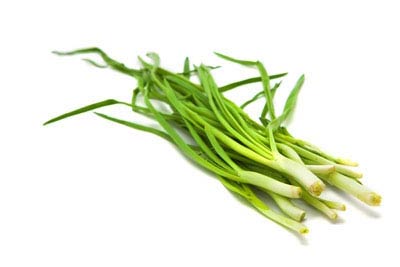
Green onions

30EWG's Dirty Dozen Plus and Clean Fifteen Lists

Bananas

31EWG's Dirty Dozen Plus and Clean Fifteen Lists

Oranges

32EWG's Dirty Dozen Plus and Clean Fifteen Lists

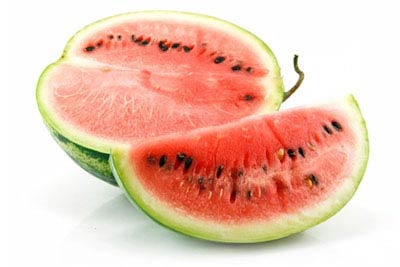
Watermelon

33EWG's Dirty Dozen Plus and Clean Fifteen Lists

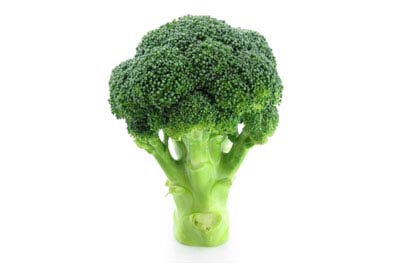
Broccoli

34EWG's Dirty Dozen Plus and Clean Fifteen Lists

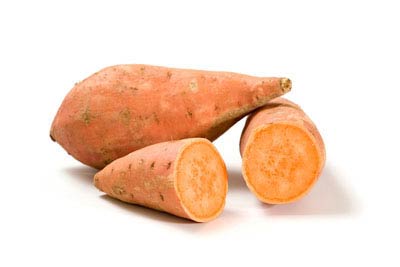
Sweet potatoes

35EWG's Dirty Dozen Plus and Clean Fifteen Lists

Mushrooms

36EWG's Dirty Dozen Plus and Clean Fifteen Lists

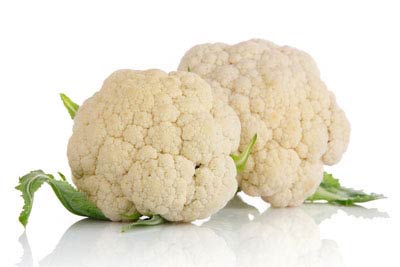
Cauliflower

37EWG's Dirty Dozen Plus and Clean Fifteen Lists

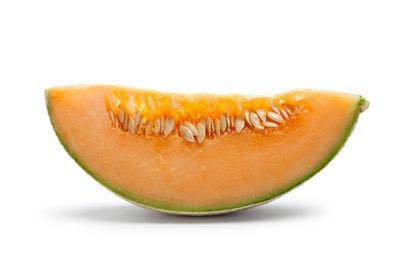
Cantaloupe

38EWG's Dirty Dozen Plus and Clean Fifteen Lists

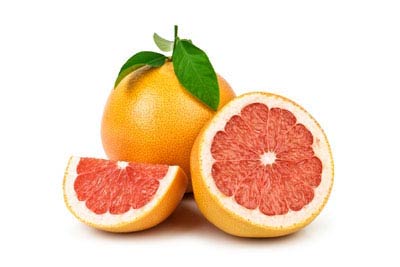
Grapefruit

39EWG's Dirty Dozen Plus and Clean Fifteen Lists

Honeydew melon

40EWG's Dirty Dozen Plus and Clean Fifteen Lists

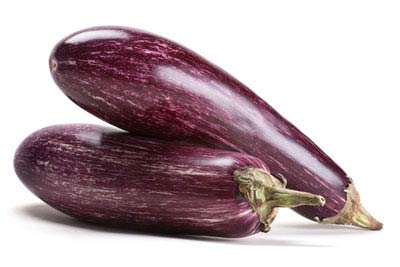
Eggplant

41EWG's Dirty Dozen Plus and Clean Fifteen Lists

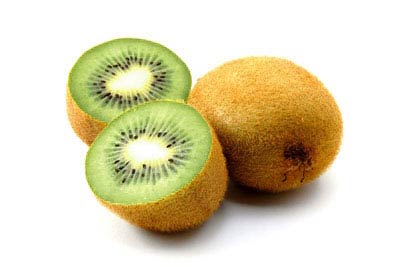
Kiwi

42EWG's Dirty Dozen Plus and Clean Fifteen Lists

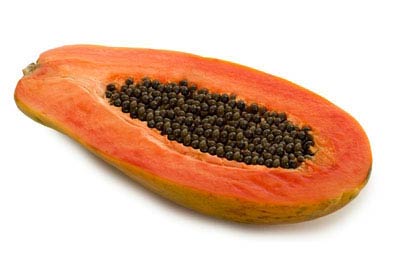
Papayas*

43EWG's Dirty Dozen Plus and Clean Fifteen Lists

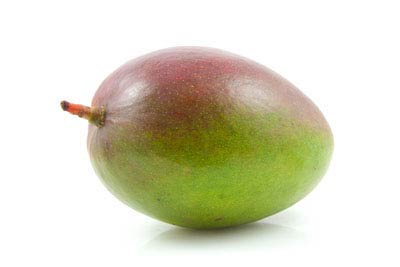
Mangos

44EWG's Dirty Dozen Plus and Clean Fifteen Lists

Asparagus

45EWG's Dirty Dozen Plus and Clean Fifteen Lists

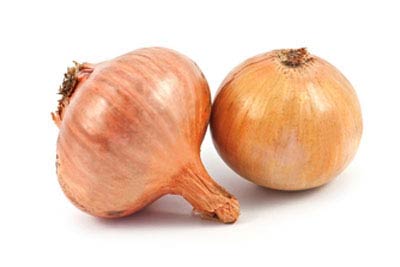
Onions

46EWG's Dirty Dozen Plus and Clean Fifteen Lists

Sweet peas frozen

47EWG's Dirty Dozen Plus and Clean Fifteen Lists

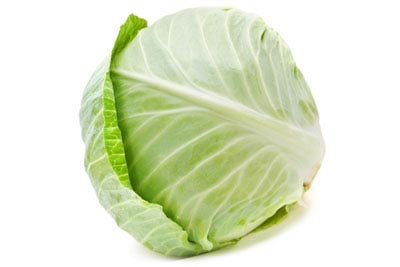
Cabbage

48EWG's Dirty Dozen Plus and Clean Fifteen Lists

Pineapples

49EWG's Dirty Dozen Plus and Clean Fifteen Lists

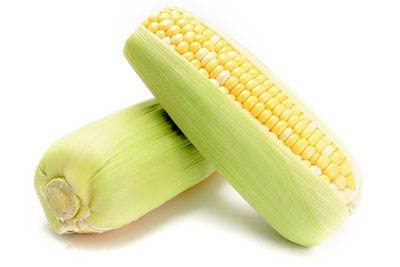
Sweet Corn*

50EWG's Dirty Dozen Plus and Clean Fifteen Lists

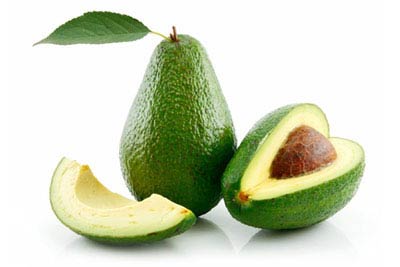
Avocados

Wednesday, April 13, 2016

Here comes the sun, or rather the sunshine vitamin, to the rescue against cancer.


Lower levels of vitamin D have been linked with a higher risk of cancer, researchers have found. The study supports a link found between vitamin D status and rates of breast, lung and bladder cancer first seen in the 1980s.


My hope is that the findings from this research might shape healthcare guidelines by identifying vitamin D status as a key prevention tool. Being aware of the relationship of cancer and low vitamin D would allow primary prevention to slow or reverse upward trends in cancer incidence, treatment burden, mortality, and associated costs.

Look at 2012. There were 14 million new cases of cancer worldwide in 2012 and 8.2 million cancer- related deaths. The annual number of new cases is projected to increase to 22 million within the next twenty years.
In Europe and North America cancer is the most significant cause of death and morbidity after cardiovascular diseases.

In this study, University of California, San Diego School of Medicine researchers sought to determine what blood level of vitamin D was required to effectively reduce cancer risk. They were specifically looking at 25-hydroxyvitamin D, the main form of vitamin D in the blood, as a marker for vitamin D levels. They combined data from two previous studies. One was a randomized clinical trial of 1,169 women (Lappe trial cohort) and the other was a prospective cohort study of 1,135 women (GrassrootsHealth cohort). By combining the two studies, the researchers were able to work from a larger sample size and a greater range of blood serum levels of 25-hydroxyvitamin D (25(OH)D).

It is generally accepted that the most accurate measure of vitamin D levels in a person is a blood test. In the Lappe trial cohort, the median blood serum level of 25(OH)D was 30 nanograms (ng) per millilitre (ml). In the GrassrootsHealth prospective cohort, it was higher: 48 ng/ml. The team found that the age-adjusted cancer incidence was 1,020 cases per 100,000 person-years in the Lappe cohort and 722 per 100,000 person-years in the GrassrootsHealth cohort.

In other words, rates of cancer declined with increased 25(OH)D levels. Females with 25(OH)D concentrations of 40 ng/ml or greater had a 67% lower risk of cancer than women with levels of 20 ng/ml or less. 

"These findings support an inverse association between 25(OH)D and risk of cancer," said Dr Cedric Garland, adjunct professor in the UC San Diego School of Medicine Department of Family Medicine and Public Health and member of Moores Cancer Center at UC San Diego Health.

“It highlights the importance for cancer prevention of achieving a vitamin D blood serum

concentration above 20 ng/ml, the concentration recommended by the Institute of Medicine for bone health." 


The results suggest the importance of vitamin D for the prevention of cancer and are supported by a number of additional studies that have also found a similar reduction in risk for individual cancers. 

In a hospital-based case control study women with serum concentrations of more than 60 ng/ml had an 83% reduction in breast cancer risk compared to women with concentrations less than 20 ng/ml. 

A population based study found a 63% lower risk of breast cancer for women with 25(OH)D concentrations of 30 ng/ml compared to women with concentrations of less than 20 ng/ml, with a 71% lower risk among post-menopausal women.


A nested case control study found a 55% lower risk of colorectal cancer in women with 25(OH)D concentrations of 29 ng/ml compared to women with concentrations of less than 18 ng/ml.

The wealth of studies has made recommending an optimum blood serum level of vitamin D difficult to establish. 


Garland did not identify a singular, optimum daily intake of vitamin D or the manner of intake, which may be sunlight exposure, diet and/or supplementation.
He stated that the current study clarified that reduced cancer risk became measurable at 40 ng/ml, with additional benefit at higher levels. 

All of this means that a target vitamin D level recommended by the US Institute of Medicine of 20g/mL is not ideal for reducing cancer risk. If that is the goal higher blood levels may be advised.


“Serum 25-Hydroxyvitamin D Concentrations 40 ng/ml Are Associated with >65% Lower Cancer Risk: Pooled Analysis of Randomized Trial and Prospective Cohort Study.”
Authors: Sharon McDonnell, Carole Baggerly, Christine French, Leo Baggerly, Cedric Garland, Edward Gorham, Joan Lappe, Robert Heaney. 


Thursday, February 18, 2016

Omega-3's EPA/DHA are the most studied nutrients in history. 30,000 studies published as of December 2015.

So much for journalists claiming there is not enough science to recommend taking omega-3's from fish. Go on ignore the research. You are simply demonstrating natural selection. Darwin would be proud.
Have just returned from a conference on fish oil Omega-3s in the Canary Islands. Here are a few images from that meeting.

Omega-3's are not only the most studied nutrients. There are more randomized controlled studies on them than on many prescription medications. Take a look!


And the rate of positive findings, meaning benefit to study participants is consistently high. Around 80% of trials found benefit. The remainder found no effect. 80%. Not bad!

And there have been many many studies. 30,000 as of December 2015.

So how many studies did the naysayers in recent NYTimes and Frontline stories review?
Eighteen. Thats right, they selected Eighteen studies. From which they make the broad statement that there is not enough science. Wow. That is some bold assertion given the numbers.


I don't know about you but for me and my family...we're sticking with the fish oils. Because of the science.

My thanks to Adam Ismail at GOED for the images. Great presentation Adam! Check out the science of Omega-3s at Always Omega-3's and at the Fats of Life Newsletter.


Wednesday, January 13, 2016

Daily sugary drinks add up to extra pounds of visceral fat.

Yes if you add sugar to whatever you're drinking on a daily basis you'll end up with belly fat. The worst kind of extra weight you could carry.

I have a confession. I am a nutritionist and have been for more than 30 years. So here's the guilty admission. I watch what is in grocery carts when I am in line at the market and I am silently but terribly judgmental.


It just adds up. You see a pile of sugary drinks...cans of soda or fruit flavored sugary drinks in a cart you almost always see extra weight on the person buying them. I know that seems insulting to many shoppers nationwide, but try it yourself and see if I am wrong. Here's an NIH study that makes my case.

Daily sugary drinks tied to increased visceral fat.
Drinking sugar-sweetened beverages like soda daily may lead to more abdominal fat gain over time, according to a new study. 

So-called visceral fat in the midsection wraps around internal organs like the liver and pancreas and affects the function of hormones like insulin. Insulin dysfunction, and becoming resistant to insulin, is closely tied to type 2 diabetes and heart disease risk. A lot of prior studies have looked at sugar-sweetened beverages and obesity, this one looked at body fat distribution, in particular change over time.

The National Institutes of Health volunteer who spoke about the study used data from about 1,000 adult participants in the Framingham Heart Study in Framingham, Massachusetts, who answered food frequency questions about sugar-sweetened beverages and diet soda. 

Sugar-sweetened beverages like regular soda and fruit punch have added sucrose or high fructose corn syrup. Most participants said they drank a mixture of sugary beverages and diet soda.

About a third said they never consumed sugar-sweetened beverages, 20 percent did so occasionally, 35 percent drank them frequently and 13 percent drank them daily.
At the study start, they underwent a computed tomography scan to measure quantity and volume of abdominal fat tissue. Six years later, they underwent another scan. 
Over that period, visceral fat volume increased by 658 cubic centimeters for non-drinkers, slightly more for occasional and frequent drinkers, and by 852 cubic centimeters for daily drinkers of sugary beverages, as reported in the journal Circulation. 
For daily drinkers, that’s in increase of about 0.8 kilograms, or 1.8 pounds, of abdominal fat. That is certainly enough to make a difference in a person's metabolism and increase risk of insulin resistance and diabetes.
The American Heart Association recommends a limit of 100 calories per day of added sugars, such as those found in sweetened beverages, for most women, and 150 calories per day for most men.
“Drinking one 12-ounce soft drink a day would exceed that amount – and while they are a major source, sugar-sweetened beverages contribute only about half of the added sugar consumed by Americans. You also have to look at coffee and tea sweetened with sugar. Each teaspoon of sugar is only 16 calories, but the limit would be six per day for women and 9 per day for men. One Tall Latte or can of soda puts you above that line.
What to do? Think calorie free. Water, unsweetened tea or coffee, and sparkling beverages that are zero calories are much better choices. Why weigh more than you need to? And don't even get me started on fast food.

Friday, January 8, 2016

A Primer on Dietary Fat Recommendations from the US Dietary Guidelines 2015-2020 Edition

Dietary Fats: The Basics
Dietary fats are found in both plant and animal foods. They supply calories and help with the absorption of the fat-soluble vitamins A, D, E, and K. Some also are good sources of two essential fatty acids—linoleic acid and α-linolenic acid.
All dietary fats are composed of a mix of polyunsaturated, monounsaturated, and saturated fatty acids, in varied proportions. For example, most of the fatty acids in butter are saturated, but it also contains some monounsaturated and polyunsaturated fatty acids. Oils are mostly unsaturated fatty acids, though they have small amounts of saturated fatty acids.

Polyunsaturated fatty acids (polyunsaturated fats are found in greatest amounts in sunflower, corn, soybean, and cottonseed oils; walnuts; pine nuts; and sesame, sunflower, pumpkin, and flax seeds. Only small amounts of polyunsaturated fats are found in most animal fats. Omega-3 (n-3) fatty acids are a type of polyunsaturated fats found in seafood, such as salmon, trout, herring, tuna, and mackerel, and in flax seeds and walnuts. EPA and DHA are long chain n-3 fatty acids found in seafood.
Monounsaturated fatty acids (monounsaturated fats) are found in greatest amounts in olive, canola, peanut, and safflower oils, and in avocados, peanut butter, and most nuts. Monounsaturated fats also are part of most animal fats such as fats from chicken, pork, beef, and wild game.
Saturated fatty acids (saturated fats) are found in the greatest amounts in coconut and palm kernel oils, in butter and beef fats, and in palm oil. They also are found in other animal fats, such as pork and chicken fats and in other plant fats, such as nuts.
Trans fatty acids (trans fats) are unsaturated fats found primarily in partially hydrogenated vegetable oils and foods containing these oils and in ruminant (animal) fats. They are structurally different from the unsaturated fatty acids that occur naturally in plant foods and differ in their health effects.

The proportions of fatty acids in a particular fat determine the physical form of the fat:
  Fats with a higher amount of polyunsaturated and monounsaturated fatty acids are usually liquid at room temperature and are referred to as “oils.”
Fats with a higher amount of saturated fatty acids are usually solid at room temperature and are referred to as “solid fats.” Fats containing trans fatty acids are also classified as solid fats, although they may or may not be solid at room temperature.
A relevant detail in the complexity of making food-based recommendations that consider nutrients is the difference between the terms “saturated fats” and “solid fats.” Although they are closely related terms, saturated fats and solid fats are not synonymous. The term “saturated fats” refers to saturated fatty acids, a nutrient found in foods, while the term “solid fats” describes the physical manifestation of the fats in a food. Some solid fats, such as the strip of fat around a piece of meat, can easily be seen. Other solid fats are not so visible. For example, the solid fats in whole milk are suspended in the fluid milk by the process of homogenization.
Margarines and margarine-like vegetable oil spreads are food products composed of one or more oils or solid fats designed to replace butter, which is high in saturated fats. These products may be sold in sticks, tubs, bottles, or sprays. Margarine and vegetable oil spreads generally contain less saturated fats than butter. However, they vary in their total fat and calorie content and in the fat and oil blends used to make them and, thus, in the proportions of saturated, unsaturated, and trans fats they contain. It is important to read the Nutrition Facts label to identify the calorie and saturated and trans fats content of the spread and choose foods with no trans fats and lower amounts of saturated fats.
The Dietary Guidelines provides recommendations on saturated fats as well as on solid fats because its aim is to improve the health of the U.S. population through food-based guidance. It includes recommendations on saturated fats because of the strong relationship of this nutrient to a health outcome (CVD risk). It includes recommendations on solid fats because they are abundant in the diets of the U.S. population, and reducing solid fats when making food choices is an important way to reduce saturated fats and excess calories.
Saturated Fats, Trans Fats, and Cholesterol
Saturated Fats
Healthy intake: Intake of saturated fats should be limited to less than 10 percent of calories per day by replacing them with unsaturated fats and while keeping total dietary fats within the age-appropriate AMDR. The human body uses some saturated fats for physiological and structural functions, but it makes more than enough to meet those needs. Individuals 2 years and older therefore have no dietary requirement for saturated fats.
Strong and consistent evidence shows that replacing saturated fats with unsaturated fats, especially polyunsaturated fats, is associated with reduced blood levels of total cholesterol and of low-density lipoprotein-cholesterol (LDL-cholesterol). Additionally, strong and consistent evidence shows that replacing saturated fats with polyunsaturated fats is associated with a reduced risk of CVD events (heart attacks) and CVD-related deaths.
Some evidence has shown that replacing saturated fats with plant sources of monounsaturated fats, such as olive oil and nuts, may be associated with a reduced risk of CVD. However, the evidence base for monounsaturated fats is not as strong as the evidence base for replacement with polyunsaturated fats. Evidence has also shown that replacing saturated fats with carbohydrates reduces blood levels of total and LDL-cholesterol, but increases blood levels of triglycerides and reduces high-density lipoprotein-cholesterol (HDL-cholesterol). Replacing total fat or saturated fats with carbohydrates is not associated with reduced risk of CVD. Additional research is needed to determine whether this relationship is consistent across categories of carbohydrates (e.g., whole versus refined grains; intrinsic versus added sugars), as they may have different associations with various health outcomes. Therefore, saturated fats in the diet should be replaced with polyunsaturated and monounsaturated fats.
Considerations: As discussed in Chapter 2, the main sources of saturated fats in the U.S. diet include mixed dishes containing cheese, meat, or both, such as burgers, sandwiches, and tacos; pizza; rice, pasta, and grain dishes; and meat, poultry, and seafood dishes. Although some saturated fats are inherent in foods, others are added. Healthy eating patterns can accommodate nutrient-dense foods with small amounts of saturated fats, as long as calories from saturated fats do not exceed 10 percent per day, intake of total fats remains within the AMDR, and total calorie intake remains within limits. When possible, foods high in saturated fats should be replaced with foods high in unsaturated fats, and other choices to reduce solid fats should be made (see Chapter 2).
Trans Fats
Individuals should limit intake of trans fats to as low as possible by limiting foods that contain synthetic sources of trans fats, such as partially hydrogenated oils in margarines, and by limiting other solid fats. A number of studies have observed an association between increased intake of trans fats and increased risk of CVD. This increased risk is due, in part, to its LDL-cholesterol-raising effect.
Trans fats occur naturally in some foods and also are produced in a process called hydrogenation. Hydrogenation is used by food manufacturers to make products containing unsaturated fatty acids solid at room temperature (i.e., more saturated) and therefore more resistant to becoming spoiled or rancid. Partial hydrogenation means that some, but not all, unsaturated fatty acids are converted to saturated fatty acids; some of the unsaturated fatty acids are changed from a cis to trans configuration. Trans fatty acids produced this way are referred to as “artificial” or “industrially produced” trans fatty acids. Artificial trans fatty acids are found in the partially hydrogenated oils[23] used in some margarines, snack foods, and prepared desserts as a replacement for saturated fatty acids. Although food manufacturers and restaurants have reduced the amounts of artificial trans fats in many foods in recent years, these fats can still be found in some processed foods, such as some desserts, microwave popcorn, frozen pizza, margarines, and coffee creamers.
Naturally occurring trans fats, known as “natural” or “ruminant” trans fats, are produced by ruminant animals. Natural trans fats are present in small quantities in dairy products and meats, and consuming fat-free or low-fat dairy products and lean meats and poultry will reduce the intake of natural trans fats from these foods. Because natural trans fats are present in dairy products and meats in only small quantities and these foods can be important sources of nutrients, these foods do not need to be eliminated from the diet.
Dietary Cholesterol
The body uses cholesterol for physiological and structural functions but makes more than enough for these purposes. Therefore, people do not need to obtain cholesterol through foods.
The Key Recommendation from the 2010 Dietary Guidelines to limit consumption of dietary cholesterol to 300 mg per day is not included in the 2015 edition, but this change does not suggest that dietary cholesterol is no longer important to consider when building healthy eating patterns. As recommended by the IOM,[24] individuals should eat as little dietary cholesterol as possible while consuming a healthy eating pattern. In general, foods that are higher in dietary cholesterol, such as fatty meats and high-fat dairy products, are also higher in saturated fats. The USDA Food Patterns are limited in saturated fats, and because of the commonality of food sources of saturated fats and dietary cholesterol, the Patterns are also low in dietary cholesterol. For example, the Healthy U.S.-Style Eating Pattern contains approximately 100 to 300 mg of cholesterol across the 12 calorie levels. Current average intake of dietary cholesterol among those 1 year and older in the United States is approximately 270 mg per day.
Strong evidence from mostly prospective cohort studies but also randomized controlled trials has shown that eating patterns that include lower intake of dietary cholesterol are associated with reduced risk of CVD, and moderate evidence indicates that these eating patterns are associated with reduced risk of obesity. As described earlier, eating patterns consist of multiple, interacting food components and the relationships to health exist for the overall eating pattern, not necessarily to an isolated aspect of the diet. More research is needed regarding the dose-response relationship between dietary cholesterol and blood cholesterol levels. Adequate evidence is not available for a quantitative limit for dietary cholesterol specific to the Dietary Guidelines.
Dietary cholesterol is found only in animal foods such as egg yolk, dairy products, shellfish, meats, and poultry. A few foods, notably egg yolks and some shellfish, are higher in dietary cholesterol but not saturated fats. Eggs and shellfish can be consumed along with a variety of other choices within and across the subgroup recommendations of the protein foods group.


Thursday, October 29, 2015

Vitamin C delivers stunning benefits for obese individuals with hypertension and/or diabetes.

Vitamin C is certainly not something people get very excited about. We think of it as a means to avoid sniffles. And we envision a tall glass of orange juice. That's about it.

But there has been an amazing new finding involving the use of a daily supplement of 500mg of vitamin C in people at high risk for heart disease and diabetes related health complications.

In a group of obese people who had high blood pressure and/or diabetes taking a simple dose of 500mg of vitamin C for only eight weeks led to reductions, significant reductions in the inflammatory markers C Reactive Protein (51%), Interleukin 6 (36%) and in blood sugar levels (33%) and triglyceride levels (31%).

Slashing inflammation, reducing blood sugar levels and dropping triglyceride levels to this degree would be highly protective in these at risk individuals. It would be protective for anyone.

Never underestimate the power of simple things like vitamin C. My favorite is Carlson Non GMO Vitamin C Crystals. I stir a quarter of a scoop into water as I drink it throughout my day. (No sniffles here!)


Effect of vitamin C on inflammation and metabolic markers in hypertensive and/or diabetic obese adults: a randomized controlled trial. Drug Design, Development and Therapy, 2015;9:3405-3412