Welcome

Who says we have to suffer...to live a healthy happy vibrant life?

Red wine and dark chocolate... might seem decadent...but these guilty pleasures also might help us live longer...and healthier lives. Red wine and dark chocolate definitely improve an evening..but they also contain resveratrol..which lowers blood sugar. Red wine is a great source of catechins..which boost protective HDL cholesterol. Green tea? Protects your brain..helps you live longer..and soothes your spirit.

Food for Thought, the blog, is about living the good life...a life we create with our thoughts and our choices...and having fun the whole while!

I say lets make the thoughts good ones..and let the choices be healthy...exciting...and delicious! Bon Appetit!

Thursday, June 23, 2011

Cinnamon may be the spice of life for MS patients.


A neurological scientist at Rush University Medical Center has received a grant from the National Institutes of Health (NIH) to determine if cinnamon, a common food spice and flavoring material, might halt the destructive disease process of multiple sclerosis (MS)

In earlier published studies, the principal investigator Kalipada Pahan, PhD showed that sodium benzoate, a metabolite of cinnamon, inhibits the expression of various pro-inflammatory molecules in brain cells and blocks the disease process of MS in mice.

Cinnamon’s anti-inflammatory properties counteract and inhibit the glial activation that causes brain cell death.

Current medications to treat the symptoms of MS are prohibitively expensive, have many side effects, and are only 30-40 percent effective.
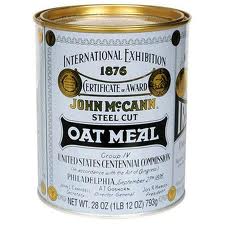
If the Rush study is successful, there may be a day when just a teaspoonful of ground cinnamon per day on oatmeal or with with milk, tea or honey, allows MS patients to manage the disease process and reduce the drug cost drastically to approximately $10 per month.

Thursday, June 16, 2011

More Olive Oil in Diet Reduces Stroke Risk

Adding olive oil to your diet may reduce your risk of stroke, a new study suggests.
Researchers found that older people who used olive oil intensively -- meaning they regularly cooked with it and used it in salad dressing -- were 41 percent less likely to have a stroke than those who rarely consumed it.

Samieri C, et al "Olive oil consumption, plasma oleic acid, and stroke incidence: The Three-City Study" Neurology 2011 See the abstract here

The "Dirty Dozen" and The "Clean Fifteen"

This list just out from the Environmental Working Group. Foods with the highest and lowest pesticide residues...the worst offender..Apples.


Conventional farmers use an arsenal of pesticides to protect their crops from insects, bacteria, rodents, molds, and fungi. These substances can end up in the food supply. Washing and peeling fruit and vegetables can lower pesticide residues, but not necessarily. When the USDA tests for pesticides, they wash and peel fruit the same way a typical consumer would.


Can't afford Organics? Try looking for locally grown but do not despair. The EWG made this statement: if families simply select the daily recommended five servings of fruit and vegetables from the "Clean Fifteen" list over five from the Dirty Dozen, they would reduce the amount of pesticides ingested by 92% - without having to shell out extra money for organics.


Buy the produce on the Dirty Dozen organically grown if possible...


The Dirty Dozen 2011

  1. Apples
  2. Celery
  3. Strawberries
  4. Peaches
  5. Spinach
  6. Nectarines (imported)
  7. Grapes (imported)
  8. Sweet bell peppers
  9. Potatoes
  10. Blueberries (domestic)
  11. Lettuce
  12. Kale/collard greens
And the Clean Fifteen 2011

  1. Onions
  2. Sweet corn
  3. Pineapples
  4. Avocado
  5. Asparagus
  6. Sweet peas
  7. Mangoes
  8. Eggplants
  9. Cantaloupe (domestic)
  10. Kiwi
  11. Cabbage
  12. Watermelon
  13. Sweet potatoes
  14. Grapefruit
  15. Mushrooms

Wednesday, June 15, 2011

An unexpected benefit of losing weight...higher vitamin D levels.

This is an interesting finding...losing weight...ie losing fat..frees up vitamin D that is sequestered in the fat..and results in modest increases in serum levels of the vitamin. You know that vitamin D is protective against heart disease and several cancers...here's another reason to hop up and onto that treadmill...and watch your calories.


The study reports that Circulating 25-hydroxyvitamin D [25(OH)D] concentrations in postmenopausal women are directly associated with weight loss, whether achieved through lower caloric intake or increased physical activity, according to the results of a randomized controlled trial reported online May 25 in the American Journal of Clinical Nutrition.


Low concentrations of circulating vitamin D, the sunshine vitamin, are common with obesity and may represent a potential mechanism explaining the elevated risk of certain cancers and cardiovascular outcomes observed in individuals who are overweight or obese. A greater degree of weight loss, achieved through either a reduced-calorie diet or increased exercise, is associated with increased circulating 25(OH)D concentrations.

The National Institutes of Health and National Cancer Institute supported this study.
"Effects of weight loss on serum vitamin D in postmenopausal women." 
Am J Clin Nutr. Published online May 25, 2011


Tuesday, June 14, 2011

Tuition Hikes are Outpacing Income

CNN Money notes that, between 1988 and 2008, college tuition and fees doubled while median income stagnated. And this is just tuition...add housing and food and you're looking at 20K+ for in-state tuition in most schools. Sheesh.

Monday, June 13, 2011

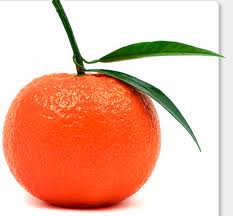
Tangerines, Grapefruits, Diabetes and Healthy Blood Vessels.

What's the connection? Well in an animal study in Ontario a substance found in tangerines guards against obesity and offers some protection against diabetes and blood vessel disease. The substance is called nobiletin and it protected against insulin resistance and  blocked arteries in animals fed a high fat high sugar diet.


Two groups of mice were fed the Western diet but one group also got supplemental nobiletin. The mice without the tangerine compound became obese and developed signs of metabolic syndrome—high insulin and glucose levels, elevated cholesterol and triglycerides, and a fatty liver—all of which increase the risk of developing diabetes and heart problems such as cardiovascular disease (CVD). The second group of mice whose diet included nobiletin didn’t experience an increase in insulin, glucose, triglycerides nor cholesterol, and gained weight normally. Researchers said nobiletin protected the mice from obesity and prevented fat buildup in the liver. 


Another citrus favorite, the grapefruit, has shown promise in weight management and diabetes; although, the research on nobiletin in tangerines is showing it’s more potent than naringenin from grapefruit. 


Read the abstract from the journal "Diabetes" here.

Mile High Organics


I've been so excited to find a wonderful business near me...Mile High Organics..they deliver beautiful organic non GMO foods right to my front porch. Here is a shot of some of the produce I received in my first order...

If you live here along the front range you can find them at www.milehighorganics.com

Thursday, June 9, 2011

The Best Vitamin D Lecture and Lecturer EVER! He's a ROCKSTAR!


I had the great good fortune of being in the audience when Dr Michael Holick ( PhD MD Vitamin D rockstar) give this lecture at the FNCE ( Food and Nutrition Conference and Expo) annual meeting last year. It was the best lecture on any nutrition topic I have ever seen..and that is saying a lot! You can see it too. It is on YouTube.
Follow the link here.

Endocrine Society Announces New Clinical Practice Guidelines for Vitamin D

The Endocrine Society released new clinical practice guidelines calling for vitamin D concentrations of 30-60 ng/ml (75-150 nmol/L), closely approaching the recommendation of 40-60 ng/ml of the GrassrootsHealth' consortium of vitamin D experts.

"Our objective is to provide guidelines to clinicians for the evaluation, treatment, and prevention of vitamin D deficiency with an emphasis on the care of patients who are at risk for deficiency. The recent Institute of Medicine's recommendation was not a medical model and was not intended to direct physicians on care of patients. It is up to professional associations to establish guidelines for care," according to Michael Holick, Ph.D., MD from Boston University Medical Center. Dr. Holick presented the Endocrine Society's new Clinical Practice Guidelines for Vitamin D at the 93rd annual meeting of the association in Boston, MA, June 4-7, 2011.
***Personal note: Dr Holick is an incredible presenter on vitamin D. Please take the time to watch the You-Tube version of his excellent lecture here.
40-75% of the world's population is vitamin D deficient. Vitamin D deficiency puts one at risk for osteomalacia, rickets, falls, tuberculosis, psoriasis, multiple sclerosis, inflammatory bowel disease, type-1 diabetes, high blood pressure, increased heart failure, myopathy, breast and other cancers. It is projected that the incidence of many of these diseases could be reduced by 20% to 50% or more, if the occurrence of vitamin D deficiency and insufficiency were eradicated by increasing vitamin D intakes through increased UVB exposure, fortified foods or supplements.
It will take from 1000 to 2000 IU/day of vitamin D (cholecalciferol) to achieve the serum target of 30 ng/ml. *** Jolie says..I've seen many individuals who needed 4000-6000 ius daily to maintain the suggested levels of 40-60 ng/ml.


A more detailed summary of the Endocrine Practice Guidelines for Intake for Patients at Risk for Vitamin D Deficiency: 
for 0-1 years, 400-1000 IU/day, Upper Limit of 2000 IU/day; 
for 1-18 years, 600-1000 IU/day, Upper Limit of 4000 IU/day; 
for 19-70 years, 1500-2000 IU/day, Upper Limit of 10,000 IU/day; 
for 70+ years, 1500-2000 IU/day, Upper Limit of 10,000 IU/day.


The Society recommends that everyone at risk be screened for vitamin D deficiency. Those especially at risk are infants and children (all ages), pregnant women, those who are over 65 and in community dwellings (without enough sunlight), darker skinned individuals and obese individuals.
At the same time as the Endocrine Society, two additional medical associations, the Ontario Society of Physicians for Complementary Medicine and the Section of Complementary and Integrative Medicine of the Ontario Medical Association in Canada joined the GrassrootsHealth Scientists' Call to D*action, calling for serum levels in the range of 40-60 ng/ml (100-150 nmol/L). According to Dr. Robert Banner, Chair of the Section, "We have to pay attention to the health of our patients. Our group will actively help patients get the testing and education they need for their health with vitamin D. It is vital to be proactive with people's health to prevent diseases that my happen 10 or more years down the road."
"Clinicians and their medical associations are creating clinical practice guidelines based on the documented science as well as their clinical experience and establishing recommended serum levels at least at 30-60 ng/ml (75-150 nmol/L) with recommended intakes from 1000-2000 IU/day based on age. It is recommended that everyone test their vitamin D serum level for a baseline measurement and adjust their intake to reach the desired serum level," said Carole Baggerly, director of GrassrootsHealth.

Tuesday, June 7, 2011

Disturbing News for Diabetic Teens


Click on Image to Enlarge

Heart function and circulation apparently changes for the worse in people with Type 2 diabetes as early as adolescence. This bad news for diabetic teens was reported in a new study presented Sunday at The Endocrine Society’s 93rd Annual Meeting in Boston. Earlier studies in adults with Type 2 diabetes show that their heart and blood vessels’ ability to handle exercise may be impaired. The new research finds that these changes in heart function may begin to happen almost as soon as Type 2 diabetes occurs.

At the University of Auckland in New Zealand, researchers studied how the heart and blood vessels of 13 teenagers with Type 2 diabetes adapted to exercise. The scans compared the diabetic teens with 27 overweight or obese teens who did not have diabetes and 19 nondiabetic and nonobese healthy teens.

Images of the heart showed that the hearts of subjects with Type 2 diabetes did not expand and fill up with blood between heartbeats as well as the hearts of subjects in the other two groups. The teen’s heart’s pumping function was strong, but their hearts were not filling as well as normal between beats. We refer to this as diastolic dysfunction. It is not a good sign. With diabetes, the heart can become stiffer, limiting its ability to stretch and expand. Heart disease is the most common cause of death in people with diabetes.

Images also showed that in the femoral artery the flow of blood through the artery was significantly less in the diabetic group during exercise compared with the other two groups.

More Helpful Information:


Monday, June 6, 2011

What's Cooking? Broccoli Rabe, sauteed with garlic and red pepper flakes.


I always order it when I’m out eating Italian and I see it on the menu. But it is super easy to make at home…finding it in your local market is the only tough thing…

To trim the broccoli rabe, cut off the tough ends of the stems. You might want to peel the stems a little if they are really large. 

Remove the largest of the outer leaves too.  Wash the trimmed broccoli rabe in a sinkful of cold water, swishing the stems gently to remove all dirt from between the leaves. Let the leaves sit a minute or two undisturbed to allow the dirt to settle to the bottom of the sink, then lift the broccoli rabe from the water. Drain in a colander.

To cook it you simply drop it in simmering water until the thick parts of the stalks are tender and then shock it in an ice water bath. This will do two things.  The ice water stops the cooking process to keep the broccoli rabe crisp-tender and it preserves the plants’ bright green color.

Next you saute some garlic and red pepper flakes in oil so that the oil takes on the garlicky flavor and the peppers heat and then you toss the braised broccoli rabe in the garlic and red pepper flake oil to coat, powering up the flavor.

Ingredients
1 big bunch ( 1lb)  broccoli rabe or rapini, washed and trimmed
3 tablespoons olive oil
4 cloves garlic, sliced
a pinch of red pepper flakes
sea salt to taste

Directions
1.    Bring a large sauce pan of water to boil, add the washed and trimmed broccoli rabe and cook until the stalks are tender, about 2-4 minutes.
     Drain, chill in ice water, pat dry and set aside. 
     Heat the oil in a pan over medium heat.

     Add the garlic and red pepper flakes and saute until fragrant, about one minute.
     Add the broccoli rabe and toss to coat in the oil, garlic, and red pepper flakes. Saute for about two minutes total, just enough to get the garlic flavor to permeate the vegetable.
     Serve as is…or over penne pasta with a sprinkle of fresh grated parmesan…or over white beans and penne pasta for a delicious vegetarian one dish meal.


Thursday, June 2, 2011

We've finally scrapped the Pyramid...hooray!


I'm dancing a happy dance today because today Michelle Obama relegated the government’s well-known food pyramid to the sands of history, unveiling a new, simpler image of a plate divided into basic food groups. Thank you Mrs.Obama...and good riddance to that pesky impossible to implement pyramid!

The new design, called MyPlate, was conceived as a crucial part of Mrs. Obama’s campaign against obesity. The plate is split into four sections, for fruit, vegetables, grains and protein. A smaller circle sits beside it for dairy.
Mrs. Obama, Agriculture Secretary Tom Vilsack and Surgeon General Regina Benjamin unveiled the new healthy eating icon at a news conference in Washington.

Officials said they planned to use the plate in a campaign to communicate essential dietary guidelines to consumers, emphasizing one message at a time for best effect.
The first part of the campaign will encourage people to make half their plate fruit and vegetables. Later phases of the campaign will urge consumers to avoid oversize portions, enjoy their food but eat less of it and to drink water instead of sugary drinks.

My thoughts? This is a great start and will be so much easier for people to understand...however, if you really want to lose weight scrap the grains, or swap them for legumes a few days each week and do 3/4 of the plate as fruits and veggies....and swap the dairy for unsweetened tea or water. Feel free to use veggie proteins ie beans and grains, or tofu too. Start using smaller plates and don't go back for seconds...go for a walk instead.

Random Thought....


Healthy living doesn’t happen at the doctor’s office. The road to better health is paved with the small decisions we make every day. It’s about the choices we make when we buy groceries, drive our cars and hang out with our kids. Get up! Get moving...and eat something fresh and delicious today...not from a box or a bag.

Wednesday, June 1, 2011

Is there a minimum dose for EPA and DHA for heart health?


June 1, 2011: We know that taking fish oils protects the heart. But is there a minimum dose for general heart protection? It appears that there is…A new meta-analysis on the doses of EPA and DHA required for optimal cardioprotection was published in the British Journal of Nutrition (BJN), demonstrating that 250mg of intake per day is an absolute minimum requirement to reduce the risk of some coronary heart diseases.  The meta-analysis revealed that by increasing intakes of EPA and DHA over 250mg, the risk of sudden cardiac death in a healthy population was reduced a further 35% and the risk of non-fatal coronary events a further 16%. Please note that this is the minimum and for those who have known heart issues the American Heart Association suggests four times that amount.

See the abstract here

Friday, May 20, 2011

Zetia and Zocor...troubling new findings...

A new study found that taking Zetia ( ezetimibe)  likely does not stop significant artery wall thickening, or atherosclerosis, in some patients. Yes it lowers the LDL cholesterol, but it did nothing to halt the disease process. Instead there was a notable progression of disease in persons who added ezetimibe to their pre-existing cholesterol-lowering statin medication therapy. The practice of taking Zetia along with Zocor has become vogue in treatment of blood vessel disease. Doctors may have to rethink their recommendations.


Having more ideal vitamin D levels is linked to less thickening of the carotid intima media...and supporting blood vessel health is a well known benefit of fish oils.


Link to full Newswise article here.

How Americans Lose Weight. Look at the top five...eat more selectively and exercise!

The idea that we have to live on a diet is certainly disproven here. People do not stick with diets. The most reliable way to achieve and maintain a healthy weight is to get rid of processed foods especially sugar, and eat real foods that are nutrient dense and fiber rich. (hint: vegetables and fruits) yes! Exercise makes a difference...but combining exercise with eating more plant foods is the best way to get and stay lighter.

Read more about Americans and their diet strategies here.


Thursday, May 12, 2011

Great news for coffee lovers...

A new study reported  online May 11 in Breast Cancer Research among almost 6000 Swedish women found that heavy coffee drinkers were far less likely to have an agressive form ( ER-Negative) of breast cancer.  


5,929 Swedish women, aged 50 to 74, about half of whom had breast cancer,
completed questionnaires which were used to assess behavioral and health characteristics. Factors assessed included smoking and drinking patterns, physical activity routines, family history of breast cancer, hormone therapy protocols, nutritional intake, body mass index, education level and coffee consumption habits. In the women who had cancer, tumor status and breast cancer type were also noted.
The findings? Drinking coffee was linked to a "strong reduction" in risk for ER-negative breast cancer. Women who drank five cups of coffee a day had a 33 percent to 57 percent lower risk for ER-negative cancer than did those who drank less than one cup a day.

Wednesday, May 11, 2011

My brother the artist...

beautiful shot...spot the bug yet?

My brother Chris is a photographer..I think this shot is incredible!


See more of his work here..he is having too much fun! Love you Chris!

Tuesday, May 10, 2011

Want a flat tummy? Fiber is your friend


Complex carbohydrates help you get and stay slim, without dieting. Unlike the ubiquitous simple carbs –yes I’m talking about cake, chips and cookies -- fruits, vegetables and whole grains are naturally loaded with fiber, a nutrient that supports better digestion and elimination, reduces bloat, and has even been shown to support a healthier body weight in numerous studies. 

Nutrition guidelines recommend women get 25 to 35 grams of fiber a day but surveys show most women fall short of that by about 60-70%.  One big plus...high fiber foods help you eat less calories but still feel full. 

Go for whole foods fiber sources like oatmeal, apples and spinach, Skip the bars and supplements. Remember that study that found that eating apples lowers cholesterol? It is because of the fiber. Try this...the next time you are tempted to grab some of chips, or something sweet, grab a whole apple instead. I promise you won’t be hungry afterward.

Monday, May 9, 2011

Olive oil is a natural pain killer...and the trees are so gorgeous!

Oh how I love this season...my roses are all leafed out and will be insane with blooms in about three weeks. The early lilacs are just starting to bloom and the olive trees are just beginning to set leaves. One of the great things about my porch in June is the fragrance of those olive trees as they flower. It is sweeter than any perfume..if only I could bottle it.

But I digress…I meant to write about olive oil…but thinking of olives had me thinking of the olive trees… OK I admit to being easily distracted by my garden this time of year.

You might wonder why we nutritionists love olive oil so much…well here are a few reasons why.

In 2005, Monell researchers and collaborators announced the discovery that oleocanthal found in virgin olive oil, is a non-steroidal, anti-inflammatory agent that inhibits activity of cyclooxygenase (COX) enzymes, a pharmacological action shared by ibuprofen. The oil also decreases production of inflammatory chemicals called thromboxanes and leukotrienes The Monell findings were published in the science magazine Nature. But the resultant control of inflammation and pain relief are only two of the benefits attributed to olive oil.

The oil also reduces total cholesterol and delivers increases in the high-density cholesterol (HDL-C), which has a protective effect on blood vessels. And polyphenolic compounds in the oil have antioxidant properties and thus protect the LDL cholesterol from being oxidized..a benefit that reduces the progress of fatty plaques occurring in your blood vessels.

With olive oil we also see improved sensitivity of cells to insulin, which helps to prevent the prediabetic state referred to as metabolic syndrome. Avoiding metabolic syndrome is an important step key to longevity, because the syndrome increases the risk of cardiovascular disease, diabetes, high blood pressure and obesity.

Finally compounds in olive oil have also been shown to be antimicrobial against various forms of bacteria.

Scroll down for a recipe for olive oil, lemon and garlic aioli..and enjoy. Food as medicine..what a delicious thought!


Dinner Tonight! Grilled Artichokes..Let's Celebrate Spring!

The Artichokes
  • Two medium artichokes
  • Olive oil
  • Salt and pepper, to taste


Clip the leaves of the artichokes to remove the thorn at the tips, and slice off the top ¾ of an inch. Bring a pot of generously salted water to a boil and add the artichokes. Boil for about 25 minutes, or until the outer leaves can be easily pulled off. Take out the artichokes, submerge in ice-cold water until cool, and then drain.

Fire up the grill. I love charcoal for the distinct flavor. But a gas grill will deliver a fine feast of these beauties as well.
While the grill is getting hot...cut the artichokes in half and pull out the thistle heart (purple and white leaves in the middle). Using a pastry brush, coat the artichokes with olive oil inside and out. Salt and pepper generously on both sides and place them cut side down on the cool side of a hot grill. The oil will cause a flare of flames if you put them over the fire so placement away from the flame is important.
Turn often until you see a few of the outer leaves begin to brown. Allowing the browning develops a better flavor. Remove to a platter and allow to cool. Serve with aioli, recipe is below....


Remember artichokes are low in calories and healthy, healthy, healthy! They provide cynarin, which supports reduced cholesterol levels, and silymarin which supports a healthy liver.


 The Aioli     
  • Juice from one lemon
  • 1 cup olive oil
  • 1 large egg yolk
  • 2 cloves garlic
  • ½ teaspoon dijon mustard
  • ½ teaspoon red pepper flakes
  • salt and pepper, to taste


Add the lemon juice, egg yolk, garlic, mustard and red pepper flakes to the pitcher of a blender or food processor and put the top on. Turn on blender/food processor and remove the safety top.
Slowly pour in about half of the olive oil until the mixture is emulsified.
Turn off the blender and add a pinch or two of salt and one of pepper, or to taste.
Restart the blender and add the remaining olive oil, or enough to make the sauce thick and creamy. Pour into dipping bowls.

Friday, May 6, 2011

What I'm reading....Food Not Lawns!


Food Not Lawns combines practical wisdom on ecological design and community-building with a fresh, green perspective on an age-old subject. Activist and urban gardener Heather Flores shares her nine-step permaculture design to help farmsteaders and city dwellers alike build fertile soil, promote biodiversity, and increase natural habitat in their own "paradise gardens."
But Food Not Lawns doesn't begin and end in the seed bed. This joyful permaculture lifestyle manual inspires readers to apply the principles of the paradise garden—simplicity, resourcefulness, creativity, mindfulness, and community—to all aspects of life. Plant "guerilla gardens" in barren intersections and medians; organize community meals; start a street theater troupe or host a local art swap; free your kitchen from refrigeration and enjoy truly fresh, nourishing foods from your own plot of land; work with children to create garden play spaces.
Flores cares passionately about the damaged state of our environment and the ills of our throwaway society. In Food Not Lawns, she shows us how to reclaim the earth one garden at a time.


Order it from Amazon by clicking here.

Slimming tips...learn to love artichokes!

I am in love with artichokes..are you? 


The great thing an artichoke is that it takes a while to eat, and it is so incredibly low in calories it’s almost impossible to overindulge.  One medium artichoke is only 64 calories and you're getting 10 grams of waistline whittling appetite-reducing fiber. And half a cup of artichoke hearts has 45 calories and seven grams of fiber. Terrific over your favorite pasta for a light springtime main course.


Added benefit?  this springtime veggie also provides cynarin, a substance that naturally reduces cholesterol. Just be careful not to undo all the benefits by dipping the leaves in a super high calorie dip...try a little blend of olive oil, mayo and mustard..with some garlic, sea salt and spices like chives and turmeric added...or grill the steamed artichoke till you have grill marks and sprinkle it with olive oil and coarse sea salt...yum!