How sad. Half of all American adults are destined to develop diabetes or pre-diabetes by 2020 if they don't make dramatic lifestyle changes, according to a dire new prediction from the Centers for Disease Control and Prevention. If current trends continue, the ranks of American adults with excessive blood sugar levels would swell from 93.8 million this year (about 28 million diabetics and 66 million more with pre-diabetes) to 135 million in 2020 – and cost society $3.35 billion by decade’s end. In addition, diabetes is becoming one of the most common chronic diseases in children and adolescents. According to the American Diabetes Association, one in every four children is currently diagnosed with diabetes.
A former nutrition mentor of mine liked to say" we are digging our graves with forks and knives"
Exercise. Ending the flood of simple carbs, and making sure your plate is 1/2 to 3/4 vegetables, legumes and fruits are all sure ways to reduce your risk. Less meat, more fish. Read Michael Pollan. Read everything you can on the Mediterranean diet.
Tuesday, November 8, 2011


Friday, November 4, 2011
Hold the Mayo!

 We are coming into a season of weight gain, festive parties and holidays. It is not unusual to put on a few pounds this time of year. With that in mind I plan to share some simple ways to keep those creeping pounds from attaching themselves to you.
Hold the mayo! One simple little change like skipping the ketchup, mayo or other ‘special’ sauces could save you around 100 calories per day.
That one small step alone could help you lose up to 10 pounds this year.
Tuesday, November 1, 2011
Eat Fish to Protect Your Hearing!

Two recent studies in populations in the Netherlands and Australia examining the link between fish or seafood omega-3 fatty acid consumption and hearing loss in older adults observed significantly less hearing loss in older adults with high intakes of fish. In one study, those with hearing loss who ate fish once to twice a week experienced about half the rate of deterioration in their hearing over five years compared with those who ate fish less than once a week.
In the Dutch study, researchers measured the participants’ hearing at low and high frequencies and estimated their fish consumption from a dietary questionnaire. Three years later, they measured the hearing status of the participants to see whether any changes were related to their omega-3 intakes. They found that hearing losses were greatest in those with the lowest consumption of seafood omega-3s although the difference between those the highest and lowest omega-3 groups was small. Hearing loss occurred mainly in the low frequency range and was greater in older (age 60 to 70) than younger (age 50 to 60) participants.
In the Australian study, participants had their hearing evaluated at the beginning of the study and after five years. Their fish and seafood omega-3 intakes were assessed at enrollment in the study. In contrast to the Dutch study, participants with the highest baseline omega-3 consumption from all sources, including seafood and plants, were about 10 percent less likely to have hearing loss compared with those in the lowest intake category. This relationship was not seen for seafood omega-3s alone.
After five years neither omega-3 nor omega-6 was related to the likelihood of developing hearing loss. However, eating fish frequently was associated with a 42-percent lower chance of developing hearing loss over the study period.
The researchers also observed progressive hearing loss was about half as much in those who ate fish once to twice a week compared with those who ate fish less than once a week. Eating fish twice a week or more had no additional effect on the rate of progression. Source: Fats of Life Newsletter
Tuesday, October 25, 2011
Ginger reduces inflammation and protects the colon.

Tuesday, October 11, 2011
Its my birthday...

Happy birthday to me..... :)
Friday, October 7, 2011
I lost a dear friend this week. He will be sorely missed.
 |
| John R Carlson 1934-2011 |
LONG GROVE, Ill.—John R. Carlson, the co-founder and president of J.R. Carlson Laboratories, passed away Oct. 1; he was 77. Carlson retired last fall from his post at the company, and was serving as Director Emeritus. For 45 years, Carlson was dedicated to the natural products industry, serving as an active member of industry organizations including the American Academy of Anti-Aging Medicine, Natural Products Association (NPA), National Institute of Nutritional Education and Mid-American Health Organization; he was a founding member of Citizens for Health. In 2001, he received NPA’s Crusader Award for given for “notable individual contributions above and beyond commercial success" and to those whose contributions have had a lasting benefit to the industry.
John Gay, executive director and CEO of NPA, commented, “John Carlson was tremendous supporter and leader of the Natural Products Association and the natural products industry for many years. He will be missed by all, but leaves a substantial legacy of giving back to the industry for us to emulate.”
Carlson is survived by his wife, Susan, daughters Carilyn Anderson and Kirsten Cecchin, and three grandchildren. In lieu of flowers, the family has requested donations be made to the Natural Products Foundation.
Omega-3 supplements reduce both inflammation and anxiety.
 A daily dose of 2.5 grams of marine source omega-3s ( EPA and DHA) may reduce symptoms of anxiety by about 20%, according to new data from the Ohio State University.
Twelve weeks of supplementation was also associated with a significant reduction in a range of inflammatory marker compounds: An important finding considering that inflammation is reported to be a major factor in many age associated sources of death and disability, note the Ohio State scientists.
The study adds to the ever growing body of science supporting the potential health benefits of omega-3. The majority of the science has focused on the cardiovascular benefits of the oils, but an increasing number of studies are reporting the potential cognitive effects related to mood and behavior.
“The reduction in anxiety symptoms associated with [omega]-3 supplementation provides the first evidence that omega-3 may have potential [anti-anxiety] benefits for individuals without an anxiety disorder diagnosis,” wrote the authors in Brain, Behavior, and Immunity .
“Omega-3 supplementation lowers inflammation and anxiety in medical students: A randomized controlled trial”
Authors: J.K. Kiecolt-Glaser, M.A. Belury, R. Andridge, W.B. Malarkey, R. Glaser
Vitamin D Deficiency Common In Cancer Patients.
 More than three-quarters of cancer patients have insufficient levels of vitamin D (25-hydroxy-vitaminD) and the lowest levels are associated with more advanced cancer, according to a study presented on October 2, 2011, at the 53rd Annual Meeting of the American Society for Radiation Oncology. (ASTRO).
Until recently, studies have not investigated whether vitamin D has an impact on the prognosis or course of cancer. Researchers are just starting to examine how vitamin D may impact specific features of cancer, such as the stage or extent of tumor spread, prognosis, recurrence or relapse of disease, and even sub-types of cancer.
160 patients with a median age of 64 years and a 1:1 ratio of men to women. The five most common primary diagnoses were breast, prostate, lung, thyroid and colorectal cancer. A total of 77 percent of patients had vitamin D concentrations either deficient (less than 20 ng/mL) or sub-optimal (20-30 ng/mL). The median serum vitamin D level was 23.5 ng/mL. Regardless of the age or sex of the patient, levels of vitamin D were below the median predicted for advanced stage disease in the patient group.
Patients who were found to be vitamin D deficient were administered replacement therapy,
increasing serum D levels by an average of 14.9 ng/mL. Investigators will be analyzing if vitamin D supplementation had an impact on aspects of treatment or survival in the long-term.
Supplement May Improve Recovery From Spinal Cord Injuries
 UK Spinal Cord and Brain Injury Research Center (SCoBIRC) - have discovered that in experimental models, severe spinal cord injury can be treated effectively by administering the supplement acetyl-L-carnitine or ALC, a derivative of essential amino acids that can generate metabolic energy, soon after injury.
The researchers previously reported that following spinal cord injury, the mitochondria, or energy generation components of cells, are overwhelmed by chemical stresses and lose the ability to produce energy in the form of the compound adenosine triphosphate (ATP). This leads to cell death at the injury site and, ultimately, paralysis of the body below the injury level.
Results soon to be published show that administration of ALC soon after a paralyzing injury promoted the milestone recovery of the ability to walk. Unlike the animal control group given no ALC, which regained only slight hind limb movements, the group treated with ALC recovered hind limb movements more quickly and were able to stand on all four limbs and walk a month later. Critically, such remarkable recovery was correlated with significant tissue sparing at the injury site following administration of ALC.
Because ALC can be administered orally, and is well-tolerated at relatively high doses in humans, researchers believe that their discovery may be translated easily to clinical practice as an early intervention for people with traumatic spinal cord injuries.
Samir P. Patel, Patrick G. Sullivan, Travis S. Lyttle, Alexander G. Rabchevsky. Acetyl-l-carnitine ameliorates mitochondrial dysfunction following contusion spinal cord injury. Journal of Neurochemistry, 2010
Saturday, October 1, 2011
Recipe for Relaxation
First you need some lovely ripe blackberries, 5 will do for each serving.

To them you'll add
1.5 oz vodka
3 oz lemonade.
You might want to slip the glass upside down to wet the rim with some lemonade and then dredge the rim in sugar..oooohhh..fancy!
Muddle four blackberries in bottom of tumbler. Add ice, vodka and lemonade. Garnish with blackberry.
Find a cozy comfy spot preferably snuggled up with the one you love....or a nice cat or dog will do.... Enjoy!

To them you'll add
1.5 oz vodka
3 oz lemonade.
You might want to slip the glass upside down to wet the rim with some lemonade and then dredge the rim in sugar..oooohhh..fancy!
Muddle four blackberries in bottom of tumbler. Add ice, vodka and lemonade. Garnish with blackberry.
Find a cozy comfy spot preferably snuggled up with the one you love....or a nice cat or dog will do.... Enjoy!

Frequent Use of Vitamins E and C Linked to Reduced Breast Cancer Recurrence
 Wow! Look at this study showing vitamins E and C to be protective. There is concern that antioxidant supplement use during chemotherapy and radiation therapy may decrease treatment effects, yet the effects of such supplements on recurrence and survival are largely unknown.
Antioxidant supplement use after diagnosis was reported by 81% of women. Among antioxidant users, frequent use of vitamin C and vitamin E was associated with a 27% and 29% decreased risk of BC recurrence respectively; and vitamin E use was associated with a 24% decreased risk of all-cause mortality. CONVERSELY frequent use of combination carotenoids was associated with increased mortality.
Greenlee H, Kwan ML, et al.
Antioxidant supplement use after breast cancer diagnosis and mortality in the Life After Cancer Epidemiology (LACE) cohort. [JOURNAL ARTICLE] Cancer 2011 Sep 27.
Thursday, September 22, 2011
Poor Glucose Control Raises Risk of Dementia and Alzheimer's
Getting your blood sugar under control appears to have far reaching effects according to a new study coming out of Japan. The study links glucose regulation with dementia and prediabetes and diabetes with dementia, vascular dementia and Alzheimer’s Disease. In the population group studied poor glucose control accounted for one in six cases of dementia and one in five cases of Alzheimer’s.
Diabetes patients were 74% more likely to develop dementia of any type over 15 years of follow-up after adjustment for other confounding factors.
And Alzheimer's disease developed 2.05-fold more often in those with diabetes than in those with normal glucose tolerance.
Most interesting, though, was the strong risk prediction of postload glucose levels during the oral glucose tolerance test, mimicking how meals are metabolized.
Higher two-hour postload glucose levels correlated with greater risk of developing dementia, Alzheimer's disease, and vascular dementia.
After adjustment for age, sex, hypertension, electrocardiogram abnormalities, body mass index, waist-to-hip ratio, total cholesterol, prior stroke, education, smoking, alcohol intake, and physical activity in the multivariate analysis:
Two-hour postload glucose levels of 7.8 to 11.0 mmol/L predicted 50% elevated risk of all-cause dementia and 87% elevated likelihood of Alzheimer's disease.
Two-hour postload glucose levels above 11.0 mmol/L predicted 2.47-fold higher risk of all-cause dementia and 3.42-fold elevated Alzheimer's risk and 2.66-fold elevated vascular dementia risk (P=0.01).
Those findings suggested "that postprandial glucose regulation is critical to prevent future dementia.
Hyperglycemia itself may have an impact on the brain through atherosclerosis, oxidative stress and accumulation of advanced protein glycation, and changes in insulin metabolism yielding distorted amyloid metabolism.

One important tool to reduce high after meal blood sugar levels is the glycemic index. Foods that are low are better than foods that are high.
Have a look at how the foods you eat frequently score on the index here.
Ohara T, et al "Glucose tolerance status and risk of dementia in the community: The Hisayama Study" Neurology 2011; 77: 1126–1134.
Wednesday, September 21, 2011
Anger hurts your heart but laughter protects it.
 If you are a hothead, your heart may be at risk. Several recent studies point to the link between anger and heart disease and dangerous heart events like heart attack. So think about this the next time you feel like raging at another driver or that slow person in front of you at the supermarket. Individuals who are prone to getting angry may have a higher risk for heart failure, researchers found. And in those who were hospitalized for heart failure, high anger levels were associated with a greater risk of getting readmitted.
The findings are consistent with previous studies that have evaluated the link between anger or hostility and the risks of stroke and coronary heart disease.

Last month a study found that among patients with cardiovascular disease, an angry personality profile was associated with a higher risk of MI.
That study found that anger drives heart attacks but laughter may protect you. When you are riled your blood vessels squeeze and blood flow is reduced, but a good belly laugh relaxes the arteries and enhances circulation.And a recent meta-analysis published in the Journal of the American College of Cardiology showed that previously healthy people who were prone to anger and hostility had a greater risk for coronary heart disease events. In those who already had heart disease, anger was associated with a worse prognosis.
Source reference:
Kucharska-Newton A, et al " Anger proneness increases risk of heart failure" HFSA 2011; Abstract 217.
Depression Boosts Stroke Risk
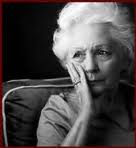 Being depressed may increase an individual's risk of stroke and stroke death, a meta-analysis found.
 Depression was associated with a 45% increased risk of total stroke and a 55% higher risk of fatal stroke. The association was reported in the Sept. 21 issue of the Journal of the American Medical Association.
The analysis included 28 studies involving 317,540 patients. Eight of the studies focused on fatal stroke, three on nonfatal stroke, six on ischemic stroke, and two on hemorrhagic stroke.
While this sounds alarming, the actual numbers of people who have stroke were very small. The absolute risk differences associated with depression were 106 cases for total stroke, 53 cases for ischemic stroke, and 22 cases for fatal stroke per 100,000 patients per year.
Depression may contribute to stroke via a variety of mechanisms, including known neuroendocrine and immunological/inflammatory effects, its association with poor health behaviors that could increase cardiovascular risk, and its correlation with other major comorbidities that raise the risk of stroke, such as diabetes and hypertension.
Fortunately, there are a number of lifestyle factors and nutrient factors that help us to avoid both depression and stroke. Healthy blood vessels depend on a good level of vitamin C for elasticity. Flavonoids like pycnogenol, grape seed extract, resveratrol and Curcumin support healthy blood vessels. Fish oils and vitamin D support the health of the blood vessels, reduce risk of stroke when taken daily, and also support brighter mood.
Source reference:
Grocery store CEOs: Refuse Monsanto's GMO sweet corn!
 I thank CredoAction http://www.credoaction.com/ for the good work they are doing to raise awareness about this issue. From their petition: Right now, Monsanto, the corporation responsible for producing roughly 90% of genetically modified seeds around the globe, is working to bring their new, GMO sweet corn to a grocery store aisle or farmer's market near you.1
Unlike Monsanto's other GMO crops -- which are primarily fed to animals -- this sweet corn is intended for direct human consumption.
This is the first time Monsanto has engineered a vegetable that could be served straight to your dinner table. And if this unlabeled, and potentially toxic crop succeeds, Monsanto is sure to bring us even more.
As an activist and consumer, you are in a powerful position to pressure leading U.S. grocery stores to reject Monsanto's new GMO corn.
Tell U.S. food companies: Americans don't want Monsanto's GMO sweet corn in our grocery stores!
Monsanto's GMO sweet corn is engineered to tolerate the herbicide Roundup, and to produce the insect-killing pesticide Bt.
If that sounds dangerous to eat, there's good reason.
A past study released by the International Journal of Biological Sciences found that Monsanto's GMO corn led to organ failure in mammals.2 This GMO corn has also recently been linked to a sharp spike in livestock infertility, as high as 20% -- a health problem that could potentially pose a risk to humans.3
But shockingly, just as other GMO foods are not required to have special labeling, consumers will have no way of knowing if they're purchasing Monsanto's new genetically modified sweet corn.
Tell U.S. grocery stores: Americans don't want Monsanto's GMO sweet corn!
Some of Monsanto's GMO corn is already in human food -- used to make additives in processed food products -- and even in small quantities it's having scary effects.
This past spring a Canadian study found that the GMO toxin inserted in Bt corn was found in the bloodstreams of 93 percent of pregnant women4 -- just from its presence in processed grains and highly processed food products.
Now, grocery stores could be on the verge of delivering up this toxic corn, and its toxic effects, in much higher doses and without processing, and we wouldn't even know what we were eating.
1 Monsanto Plans To Sell Sweet Corn In Your Local Supermarket August 8, 2011.
2 Monsanto's GMO Corn Linked To Organ Failure, Study Reveals March 18, 2011.
4 GM Food Toxins Found In The Blood of 93% of Unborn Babies May 20, 2011.
Tuesday, September 20, 2011
Postnatal DHA Supplementation Brings Cognitive and Cardiovascular Benefits to Infants
 If you have a new baby and are not breastfeeding a new study suggests that your baby's brain and heart will thank you for buying formula that is enriched with two critically important long chain polyunsaturated fatty acids, DHA and ARA.
 In the University of Kansas Study infants who were fed fortified formula were more cognitively advanced and had heart Benefits. Study lead author John Colombo, a neuroscientist who specializes in the measurement of early neurocognitive development, said that the findings add to the mounting evidence that these nutritional compounds positively affect brain and behavioral development.
DHA or docosahexaenoic acid is an essential long-chain fatty-acid that affects brain and eye development, and babies derive it from their mothers before birth and if they are breastfeeding, up to age two. But the American diet is markedly deficient in DHA sources such as fish. ARA or arachidonic acid is another long chain polyunsaturated fatty acid that is present in breast milk and commercial formula.
Colombo and Carlson’s earlier work and collaborations influenced infant formula manufacturers to begin adding DHA in 2001.
John Colombo, Susan E. Carlson, Carol L. Cheatham, Kathleen M. Fitzgerald-Gustafson, Amy Kepler, Tasha Doty. Long Chain Polyunsaturated Fatty Acid Supplementation in Infancy Reduces Heart Rate and Positively Affects Distribution of Attention. Pediatric Research, 2011
Suffer From Brain fatigue? Get Off of That Couch!

Exercise doesn’t just boost cellular powerhouses, (mitochondria) in muscles—it increases their population in brain cells too. Thus exercise increases the number of mitochondria in the brain just as it increases mitochondria in muscles. The benefits? Better exercise endurance by energizing the brain and having it be more resistant to fatigue. A boost in brain mitochondria play a supporting role for reducing the impact of mental disorders. Exercise may prove to be a potential treatment for psychiatric disorders, genetic disorders, and neurodegenerative diseases.
Jennifer L. Steiner, E. Angela Murphy, Jamie L. Mcclellan, Martin D. Carmichael, J. Mark Davis. Exercise Training Increases Mitochondrial Biogenesis in the Brain.American Journal of Physiology -- Regulatory, Integrative, and Comparative Physiology, 2011
Thursday, September 15, 2011
B Vitamins Can Slow Cognitive Decline
 This study found that people with mild cognitive impairment had their cognitive decline slowed by taking B vitamins. The modest doses used were easy to replicate. 800 mcg Folic Acid. 500 mcg B-12, 20 mg B-6 and they took them for two years.
Benefits seen? Significant improvements in homocysteine levels, in global cognition, episodic memory, delayed recall and semantic memory. Progression of memory impairment was slowed in the B vitamin group and not at all in the placebo group.
de Jager, Jacoby et al, 'Cognitive and clinical outcomes of homocysteine-lowering B-vitamin treatment in mild cognitive impairment: a randomized controlled trial', International Journal of Geriatric Psychiatry, 2011.
Now this just makes me smile.

Subscribe to:
Posts (Atom)