Welcome

Who says we have to suffer...to live a healthy happy vibrant life?

Red wine and dark chocolate... might seem decadent...but these guilty pleasures also might help us live longer...and healthier lives. Red wine and dark chocolate definitely improve an evening..but they also contain resveratrol..which lowers blood sugar. Red wine is a great source of catechins..which boost protective HDL cholesterol. Green tea? Protects your brain..helps you live longer..and soothes your spirit.

Food for Thought, the blog, is about living the good life...a life we create with our thoughts and our choices...and having fun the whole while!

I say lets make the thoughts good ones..and let the choices be healthy...exciting...and delicious! Bon Appetit!

Wednesday, July 6, 2011

Bad news for restaurant lovers...


We need to cook at home...the more you eat out, the more likely you are to be fat, say obesity experts who have studied the link between eating at restaurants and obesity — which are both on the rise.

A third of the calories Americans eat come from restaurants, including fast-food franchises, which is almost double what it was 30 years ago, according to the U.S. Department of Agriculture.

"For the average consumer, eating one meal away from home each week translates to roughly two extra pounds a year," said Lisa Mancino, a food economist for the USDA.

More than half of adults eat out three or more times a week, and 12 percent eat out more than seven times a week. As a result, the pounds are adding up.

Wouldn't you LOVE to be able to use your Flex Spending Account to buy your Supplements?

Tell Congress! Support the Family and Retirement Health Investment Act of 2011


NPA Endorses Hatch-Paulsen Bill Expanding HSA and FSA Coverage to Dietary Supplements
NPA Members and the Industry Asked to Contact Capitol Hill to Express Their Support 
WASHINGTON, D.C. – Statement from Natural Products Association (NPA) Executive Director and CEO John Gay about the “Family and Retirement Health Investment Act of 2011” recently introduced in the U.S. Senate by Senator Orrin Hatch and in the U.S. House by Representative Erik Paulsen:
“The Natural Products Association supports legislation introduced in Congress by Senator Orrin Hatch and Representative Erik Paulsen that would allow Americans to use their Health Spending Account and Flex Spending Arrangement dollars on dietary supplements and meal replacement products. We believe this would be an important step in promoting preventative health and wellness, and reducing overall health care costs.
Current law allows these dollars to be spent on prescription drugs but not supplements. NPA supports increased access to supplements as part of our health care system so that it is truly a health care system and not simply a disease treatment system. Letting HSA and FSA funds apply to supplements would bring us closer to that goal.
In the long run, wider use of supplements can lead to substantial health care savings. For example, studies have shown that an increase in omega-3 fatty acids can reduce coronary heart disease among people age 65 or older, saving an estimated $3.1 billion. By establishing tax deductibility for specific products through HSAs and FSAs, the legislation encourages preventative care and promotes public health. That’s not just the smart thing to do. It’s the right thing to do.
NPA thanks Senator Hatch and Representative Paulsen for their leadership on this timely and important issue. We encourage NPA members and the industry to ask their senators and representative to join them in supporting this legislation as it works its way through Congress.”
To learn more about this issue or to contact a member of Congress, visit www.npainfo.org.

Monday, July 4, 2011

Tell Me Where it Hurts...

Nearly one in three among us contends with long-lasting pain — the kind that lingers for weeks to months — and more often than not are not helped by the US healthcare system poorly prepared to treat them, the Institute of Medicine said Wednesday.
As great as the suffering is, the cost from a financial standpoint is enormous: the tab for chronic pain is costing the nation at least $558 billion a year in medical bills, sick days, and lost productivity. That's more than the cost of heart disease, the No. 1 killer. And all that money isn't bringing relief to the majority of those who are suffering.
All kinds of ailments can trigger lingering pain, from arthritis to cancer, spine problems to digestive disorders, injuries to surgery. Sometimes, chronic pain can be a disease all its own, the report stressed.
Whatever the cause, effective pain management is "a moral imperative," says IOM, urging the government, medical groups, and insurers to take a series of steps to transform the field.
Jolie adds: Some chronic pain conditions are relieved in part or sometimes fully by taking marine omega 3's, but the dose is far greater than a single capsule...for real relief a person usually needs to take between 2400 mg EPA and DHA combined and may need to boost the dose in some very difficult cases by a factor of three.


Other pain sufferers find that getting their vitamin D levels assessed and then raising them to a level between 40-60ng/ml will help relieve pain of rheumatoid and musculoskeletal conditions and also neuropathies.

Saturday, July 2, 2011

What Would Happen?


Inspiration: 
What would happen if you recognized that life, rather than being something that has to be controlled, is something to be opened to - and that the safest thing you will ever do is show up for the life that you have been given rather than always trying to make it be the way you think it should be?
Intention:
Today I will be willing to open to life - all of it - the fear, the pain, and the joy.

This beautiful thought is from a newsletter I subscribe to called "Awakenings" and was written by Mary O'Malley

Subscribe at this link

Thursday, June 23, 2011

Stop GMO Salmon...contact your congressional representative


Congress Close to Stopping GMO Salmon, Write Your Representatives Today!

The US House of Representatives last week passed an amendment that blocks the Food and Drug Administration (FDA) from approving genetically engineered salmon - the first genetically modified animal intended for human consumption.
During full floor debate of the Fiscal Year 2012 Agriculture and FDA appropriations bill, members of the House passed an amendment offered by Reps. Don Young (R-AK) and Lynn Woolsey (D-CA) to prohibit use of FDA funds to approve any application for approval of genetically engineered salmon.
The full appropriations bill, The Agriculture, Rural Development, Food and Drug Administration and Related Agencies Appropriations Act (H.R. 2112), passed on Thursday by a 217-203 vote.
As the Agriculture Appropriations Act heads to the Senate and then to a conference committee, there's no guarantee that the provision blocking GMO salmon will remain in the bill and become law.
Your support is needed! Please write your Senators and Congressperson today! Here is a link to a handy form you can send right now


This article came from an excellent newsletter:

Subscribe and read past issues here

Take with a grain of salt....


A new study in Europe is turning our presumptions about salt and heart disease upside down. The study followed 3 ,681 middle-aged Europeans who did not have high blood pressure or heart disease. The group was divided into three categories. Low salt, moderate salt and high salt. The heart disease risk in the low salt group was highest..56 % higher than the other groups…and the conclusion was the less salt participants ate, the higher the risk of dying from heart disease.

The bottom line is this…not everyone reacts the same way to salt..some people are salt sensitive and adding salt will definitely bring their blood pressure higher, which is inarguably harmful to heart health. But many people can handle salt..some are not harmed at all.

So..you need to watch your blood pressure…if it is high..or even moderately high..see if cutting salt back brings it down. We all want to have consistant blood pressure levels of 120/70 or less. And watch out for hidden salt. 75% of the salt in any persons diet comes from prepared foods, and restaurant foods, especially fast foods.

One final thought…sea salt provides trace minerals that are actually healthy for your heart...

Cinnamon may be the spice of life for MS patients.


A neurological scientist at Rush University Medical Center has received a grant from the National Institutes of Health (NIH) to determine if cinnamon, a common food spice and flavoring material, might halt the destructive disease process of multiple sclerosis (MS)

In earlier published studies, the principal investigator Kalipada Pahan, PhD showed that sodium benzoate, a metabolite of cinnamon, inhibits the expression of various pro-inflammatory molecules in brain cells and blocks the disease process of MS in mice.

Cinnamon’s anti-inflammatory properties counteract and inhibit the glial activation that causes brain cell death.

Current medications to treat the symptoms of MS are prohibitively expensive, have many side effects, and are only 30-40 percent effective.
If the Rush study is successful, there may be a day when just a teaspoonful of ground cinnamon per day on oatmeal or with with milk, tea or honey, allows MS patients to manage the disease process and reduce the drug cost drastically to approximately $10 per month.

Thursday, June 16, 2011

More Olive Oil in Diet Reduces Stroke Risk

Adding olive oil to your diet may reduce your risk of stroke, a new study suggests.
Researchers found that older people who used olive oil intensively -- meaning they regularly cooked with it and used it in salad dressing -- were 41 percent less likely to have a stroke than those who rarely consumed it.

Samieri C, et al "Olive oil consumption, plasma oleic acid, and stroke incidence: The Three-City Study" Neurology 2011 See the abstract here

The "Dirty Dozen" and The "Clean Fifteen"

This list just out from the Environmental Working Group. Foods with the highest and lowest pesticide residues...the worst offender..Apples.


Conventional farmers use an arsenal of pesticides to protect their crops from insects, bacteria, rodents, molds, and fungi. These substances can end up in the food supply. Washing and peeling fruit and vegetables can lower pesticide residues, but not necessarily. When the USDA tests for pesticides, they wash and peel fruit the same way a typical consumer would.


Can't afford Organics? Try looking for locally grown but do not despair. The EWG made this statement: if families simply select the daily recommended five servings of fruit and vegetables from the "Clean Fifteen" list over five from the Dirty Dozen, they would reduce the amount of pesticides ingested by 92% - without having to shell out extra money for organics.


Buy the produce on the Dirty Dozen organically grown if possible...


The Dirty Dozen 2011

  1. Apples
  2. Celery
  3. Strawberries
  4. Peaches
  5. Spinach
  6. Nectarines (imported)
  7. Grapes (imported)
  8. Sweet bell peppers
  9. Potatoes
  10. Blueberries (domestic)
  11. Lettuce
  12. Kale/collard greens
And the Clean Fifteen 2011

  1. Onions
  2. Sweet corn
  3. Pineapples
  4. Avocado
  5. Asparagus
  6. Sweet peas
  7. Mangoes
  8. Eggplants
  9. Cantaloupe (domestic)
  10. Kiwi
  11. Cabbage
  12. Watermelon
  13. Sweet potatoes
  14. Grapefruit
  15. Mushrooms

Wednesday, June 15, 2011

An unexpected benefit of losing weight...higher vitamin D levels.

This is an interesting finding...losing weight...ie losing fat..frees up vitamin D that is sequestered in the fat..and results in modest increases in serum levels of the vitamin. You know that vitamin D is protective against heart disease and several cancers...here's another reason to hop up and onto that treadmill...and watch your calories.


The study reports that Circulating 25-hydroxyvitamin D [25(OH)D] concentrations in postmenopausal women are directly associated with weight loss, whether achieved through lower caloric intake or increased physical activity, according to the results of a randomized controlled trial reported online May 25 in the American Journal of Clinical Nutrition.


Low concentrations of circulating vitamin D, the sunshine vitamin, are common with obesity and may represent a potential mechanism explaining the elevated risk of certain cancers and cardiovascular outcomes observed in individuals who are overweight or obese. A greater degree of weight loss, achieved through either a reduced-calorie diet or increased exercise, is associated with increased circulating 25(OH)D concentrations.

The National Institutes of Health and National Cancer Institute supported this study.
"Effects of weight loss on serum vitamin D in postmenopausal women." 
Am J Clin Nutr. Published online May 25, 2011


Tuesday, June 14, 2011

Tuition Hikes are Outpacing Income

CNN Money notes that, between 1988 and 2008, college tuition and fees doubled while median income stagnated. And this is just tuition...add housing and food and you're looking at 20K+ for in-state tuition in most schools. Sheesh.

Monday, June 13, 2011

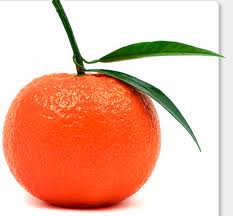
Tangerines, Grapefruits, Diabetes and Healthy Blood Vessels.

What's the connection? Well in an animal study in Ontario a substance found in tangerines guards against obesity and offers some protection against diabetes and blood vessel disease. The substance is called nobiletin and it protected against insulin resistance and  blocked arteries in animals fed a high fat high sugar diet.


Two groups of mice were fed the Western diet but one group also got supplemental nobiletin. The mice without the tangerine compound became obese and developed signs of metabolic syndrome—high insulin and glucose levels, elevated cholesterol and triglycerides, and a fatty liver—all of which increase the risk of developing diabetes and heart problems such as cardiovascular disease (CVD). The second group of mice whose diet included nobiletin didn’t experience an increase in insulin, glucose, triglycerides nor cholesterol, and gained weight normally. Researchers said nobiletin protected the mice from obesity and prevented fat buildup in the liver. 


Another citrus favorite, the grapefruit, has shown promise in weight management and diabetes; although, the research on nobiletin in tangerines is showing it’s more potent than naringenin from grapefruit. 


Read the abstract from the journal "Diabetes" here.

Mile High Organics


I've been so excited to find a wonderful business near me...Mile High Organics..they deliver beautiful organic non GMO foods right to my front porch. Here is a shot of some of the produce I received in my first order...

If you live here along the front range you can find them at www.milehighorganics.com

Thursday, June 9, 2011

The Best Vitamin D Lecture and Lecturer EVER! He's a ROCKSTAR!


I had the great good fortune of being in the audience when Dr Michael Holick ( PhD MD Vitamin D rockstar) give this lecture at the FNCE ( Food and Nutrition Conference and Expo) annual meeting last year. It was the best lecture on any nutrition topic I have ever seen..and that is saying a lot! You can see it too. It is on YouTube.
Follow the link here.

Endocrine Society Announces New Clinical Practice Guidelines for Vitamin D

The Endocrine Society released new clinical practice guidelines calling for vitamin D concentrations of 30-60 ng/ml (75-150 nmol/L), closely approaching the recommendation of 40-60 ng/ml of the GrassrootsHealth' consortium of vitamin D experts.

"Our objective is to provide guidelines to clinicians for the evaluation, treatment, and prevention of vitamin D deficiency with an emphasis on the care of patients who are at risk for deficiency. The recent Institute of Medicine's recommendation was not a medical model and was not intended to direct physicians on care of patients. It is up to professional associations to establish guidelines for care," according to Michael Holick, Ph.D., MD from Boston University Medical Center. Dr. Holick presented the Endocrine Society's new Clinical Practice Guidelines for Vitamin D at the 93rd annual meeting of the association in Boston, MA, June 4-7, 2011.
***Personal note: Dr Holick is an incredible presenter on vitamin D. Please take the time to watch the You-Tube version of his excellent lecture here.
40-75% of the world's population is vitamin D deficient. Vitamin D deficiency puts one at risk for osteomalacia, rickets, falls, tuberculosis, psoriasis, multiple sclerosis, inflammatory bowel disease, type-1 diabetes, high blood pressure, increased heart failure, myopathy, breast and other cancers. It is projected that the incidence of many of these diseases could be reduced by 20% to 50% or more, if the occurrence of vitamin D deficiency and insufficiency were eradicated by increasing vitamin D intakes through increased UVB exposure, fortified foods or supplements.
It will take from 1000 to 2000 IU/day of vitamin D (cholecalciferol) to achieve the serum target of 30 ng/ml. *** Jolie says..I've seen many individuals who needed 4000-6000 ius daily to maintain the suggested levels of 40-60 ng/ml.


A more detailed summary of the Endocrine Practice Guidelines for Intake for Patients at Risk for Vitamin D Deficiency: 
for 0-1 years, 400-1000 IU/day, Upper Limit of 2000 IU/day; 
for 1-18 years, 600-1000 IU/day, Upper Limit of 4000 IU/day; 
for 19-70 years, 1500-2000 IU/day, Upper Limit of 10,000 IU/day; 
for 70+ years, 1500-2000 IU/day, Upper Limit of 10,000 IU/day.


The Society recommends that everyone at risk be screened for vitamin D deficiency. Those especially at risk are infants and children (all ages), pregnant women, those who are over 65 and in community dwellings (without enough sunlight), darker skinned individuals and obese individuals.
At the same time as the Endocrine Society, two additional medical associations, the Ontario Society of Physicians for Complementary Medicine and the Section of Complementary and Integrative Medicine of the Ontario Medical Association in Canada joined the GrassrootsHealth Scientists' Call to D*action, calling for serum levels in the range of 40-60 ng/ml (100-150 nmol/L). According to Dr. Robert Banner, Chair of the Section, "We have to pay attention to the health of our patients. Our group will actively help patients get the testing and education they need for their health with vitamin D. It is vital to be proactive with people's health to prevent diseases that my happen 10 or more years down the road."
"Clinicians and their medical associations are creating clinical practice guidelines based on the documented science as well as their clinical experience and establishing recommended serum levels at least at 30-60 ng/ml (75-150 nmol/L) with recommended intakes from 1000-2000 IU/day based on age. It is recommended that everyone test their vitamin D serum level for a baseline measurement and adjust their intake to reach the desired serum level," said Carole Baggerly, director of GrassrootsHealth.

Tuesday, June 7, 2011

Disturbing News for Diabetic Teens


Click on Image to Enlarge

Heart function and circulation apparently changes for the worse in people with Type 2 diabetes as early as adolescence. This bad news for diabetic teens was reported in a new study presented Sunday at The Endocrine Society’s 93rd Annual Meeting in Boston. Earlier studies in adults with Type 2 diabetes show that their heart and blood vessels’ ability to handle exercise may be impaired. The new research finds that these changes in heart function may begin to happen almost as soon as Type 2 diabetes occurs.

At the University of Auckland in New Zealand, researchers studied how the heart and blood vessels of 13 teenagers with Type 2 diabetes adapted to exercise. The scans compared the diabetic teens with 27 overweight or obese teens who did not have diabetes and 19 nondiabetic and nonobese healthy teens.

Images of the heart showed that the hearts of subjects with Type 2 diabetes did not expand and fill up with blood between heartbeats as well as the hearts of subjects in the other two groups. The teen’s heart’s pumping function was strong, but their hearts were not filling as well as normal between beats. We refer to this as diastolic dysfunction. It is not a good sign. With diabetes, the heart can become stiffer, limiting its ability to stretch and expand. Heart disease is the most common cause of death in people with diabetes.

Images also showed that in the femoral artery the flow of blood through the artery was significantly less in the diabetic group during exercise compared with the other two groups.

More Helpful Information:


Monday, June 6, 2011

What's Cooking? Broccoli Rabe, sauteed with garlic and red pepper flakes.


I always order it when I’m out eating Italian and I see it on the menu. But it is super easy to make at home…finding it in your local market is the only tough thing…

To trim the broccoli rabe, cut off the tough ends of the stems. You might want to peel the stems a little if they are really large. 

Remove the largest of the outer leaves too.  Wash the trimmed broccoli rabe in a sinkful of cold water, swishing the stems gently to remove all dirt from between the leaves. Let the leaves sit a minute or two undisturbed to allow the dirt to settle to the bottom of the sink, then lift the broccoli rabe from the water. Drain in a colander.

To cook it you simply drop it in simmering water until the thick parts of the stalks are tender and then shock it in an ice water bath. This will do two things.  The ice water stops the cooking process to keep the broccoli rabe crisp-tender and it preserves the plants’ bright green color.

Next you saute some garlic and red pepper flakes in oil so that the oil takes on the garlicky flavor and the peppers heat and then you toss the braised broccoli rabe in the garlic and red pepper flake oil to coat, powering up the flavor.

Ingredients
1 big bunch ( 1lb)  broccoli rabe or rapini, washed and trimmed
3 tablespoons olive oil
4 cloves garlic, sliced
a pinch of red pepper flakes
sea salt to taste

Directions
1.    Bring a large sauce pan of water to boil, add the washed and trimmed broccoli rabe and cook until the stalks are tender, about 2-4 minutes.
     Drain, chill in ice water, pat dry and set aside. 
     Heat the oil in a pan over medium heat.

     Add the garlic and red pepper flakes and saute until fragrant, about one minute.
     Add the broccoli rabe and toss to coat in the oil, garlic, and red pepper flakes. Saute for about two minutes total, just enough to get the garlic flavor to permeate the vegetable.
     Serve as is…or over penne pasta with a sprinkle of fresh grated parmesan…or over white beans and penne pasta for a delicious vegetarian one dish meal.


Thursday, June 2, 2011

We've finally scrapped the Pyramid...hooray!


I'm dancing a happy dance today because today Michelle Obama relegated the government’s well-known food pyramid to the sands of history, unveiling a new, simpler image of a plate divided into basic food groups. Thank you Mrs.Obama...and good riddance to that pesky impossible to implement pyramid!

The new design, called MyPlate, was conceived as a crucial part of Mrs. Obama’s campaign against obesity. The plate is split into four sections, for fruit, vegetables, grains and protein. A smaller circle sits beside it for dairy.
Mrs. Obama, Agriculture Secretary Tom Vilsack and Surgeon General Regina Benjamin unveiled the new healthy eating icon at a news conference in Washington.

Officials said they planned to use the plate in a campaign to communicate essential dietary guidelines to consumers, emphasizing one message at a time for best effect.
The first part of the campaign will encourage people to make half their plate fruit and vegetables. Later phases of the campaign will urge consumers to avoid oversize portions, enjoy their food but eat less of it and to drink water instead of sugary drinks.

My thoughts? This is a great start and will be so much easier for people to understand...however, if you really want to lose weight scrap the grains, or swap them for legumes a few days each week and do 3/4 of the plate as fruits and veggies....and swap the dairy for unsweetened tea or water. Feel free to use veggie proteins ie beans and grains, or tofu too. Start using smaller plates and don't go back for seconds...go for a walk instead.

Random Thought....


Healthy living doesn’t happen at the doctor’s office. The road to better health is paved with the small decisions we make every day. It’s about the choices we make when we buy groceries, drive our cars and hang out with our kids. Get up! Get moving...and eat something fresh and delicious today...not from a box or a bag.

Wednesday, June 1, 2011

Is there a minimum dose for EPA and DHA for heart health?


June 1, 2011: We know that taking fish oils protects the heart. But is there a minimum dose for general heart protection? It appears that there is…A new meta-analysis on the doses of EPA and DHA required for optimal cardioprotection was published in the British Journal of Nutrition (BJN), demonstrating that 250mg of intake per day is an absolute minimum requirement to reduce the risk of some coronary heart diseases.  The meta-analysis revealed that by increasing intakes of EPA and DHA over 250mg, the risk of sudden cardiac death in a healthy population was reduced a further 35% and the risk of non-fatal coronary events a further 16%. Please note that this is the minimum and for those who have known heart issues the American Heart Association suggests four times that amount.

See the abstract here