Welcome

Who says we have to suffer...to live a healthy happy vibrant life?

Red wine and dark chocolate... might seem decadent...but these guilty pleasures also might help us live longer...and healthier lives. Red wine and dark chocolate definitely improve an evening..but they also contain resveratrol..which lowers blood sugar. Red wine is a great source of catechins..which boost protective HDL cholesterol. Green tea? Protects your brain..helps you live longer..and soothes your spirit.

Food for Thought, the blog, is about living the good life...a life we create with our thoughts and our choices...and having fun the whole while!

I say lets make the thoughts good ones..and let the choices be healthy...exciting...and delicious! Bon Appetit!

Saturday, March 5, 2011

Chocolate Dipped Strawberries

Talk about decadent...I know this is not everyday fare..but please try them, make them for your honey...


6 tablespoons heavy cream
1 teaspoon grated orange zest
7 ounces semisweet chocolate, such as Green and Black, chopped
½ teaspoon Starbucks VIA instant coffee granules, 
   (or your favorite other brand...)
3 tablespoons Grand Marnier liqueur
2 tablespoons Agave nectar

Big beautiful long stemmed strawberries


Set up a double boiler type arrangement using a strong oven safe glass bowl set over (but not touching) simmering water.
Heat the cream and orange zest. Add the chocolate, coffee, Grand Marnier, and agave nectar and stir constantly until the chocolate is just melted and smooth. 

Keep the chocolate warm in a fondue pot or leave the glass bowl set over the simmering water. Serve the warm chocolate with a large plate of long-stemmed strawberries for dipping. You can dip pieces of pineapple, marshmallows, bananas...pound cake...fingers...

Friday, March 4, 2011

Nap Time!

A study in Neurobiology of Learning and Memory found that napping during the day improves memory.
 
Children fight taking naps, adults wish they had the luxury...and it appears that if they did they would be sharper for it. The study shows adults can rely on a daytime snooze to improve their mood, alertness, and memory. Napping strengthens existing memory and also reorganizes memory and catalogs information into memory networks for easy retrieval later.

Ficca, G., Axelsson, J., Mollicone, D., Muto, V., & Vitiello, M. (2010). Naps, cognition and performance Sleep Medicine Reviews, 14 (4), 249-258 


Lau, H., Tucker, M., & Fishbein, W. (2010). Daytime napping: Effects on human direct associative and relational memory Neurobiology of Learning and Memory, 93 (4), 554-560


Lose the Blues, Naturally

Feeling blue yet wary of anti-depressants due to the many adverse effects? Here are some suggestions for natural mood support.

Begin with Omega 3s, (three grams a day of EPA and DHA from pure, high-quality marine sources). Be sure you are taking Omega 3s that have been tested for contaminants, the statement that they are tested for lead, mercury, PCB’s and other toxins should be right on the label.

How Omega 3s Combat Depression:   
Better levels of serotonin and phosphatidylserine. 
Increased cerebral blood flow
Reduced alcoholic brain injury 


Also take phosphatidylserine (100 mg/day). The all-natural supplement phosphatidylserine or PS, (available in natural food stores everywhere), enables the creation of billions of brand new brain cells. PS optimizes brain function, powers up your memory, and reverses the effect of stress on the brain. PS supports your brain cells ability to make more serotonin, the feel good mood lifting neurotransmitter.

Another great mood support nutrient is glutamine (one teaspoon of powder in four ounces of water per day). Glutamine is one of the few substances that passes freely across the blood brain barrier. Once in the brain, your body converts it to glutamic acid and it increases the concentration of GABA, (gamma amino butyric acid). Both glutamic acid and GABA are essential for proper mental function.
Both help to greatly relieve anxiety and brighten the mood. 

Ever reach for a cocktail to combat stress or depression? Would you like to cut back? Glutamine to the rescue here too...Because of its action in the brain, glutamine supplements have been recommended for preventing the harmful effect of alcohol on the brain and it’s widely used for reducing alcohol cravings. This makes it an ideal supplement for those who are in recovery.

Some sources describe glutamine as a “brain fuel” capable of stimulating mental alertness and clear thinking. I have seen some individuals who were working to overcome panic attacks and anxiety attacks find that supplementing with glutamine helps.

For mood balancing, take a teaspoon of glutamine powder in water when you’re feeling anxious or at times when you may be feeling a craving for alcohol.


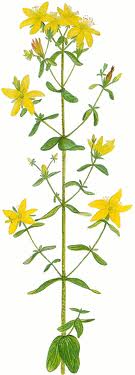
I know people who have had success reducing symptoms of depression using one of my favorite herbs St. John’s Wort. The right dose is 300 mg, three times per day. This herb is not to be used if you’re still taking Prozac or
Zoloft. But once you’re no longer on an SSRI, you can wait two weeks and then take advantage of the herbs power to boost serotonin and lift your mood.

Wednesday, March 2, 2011

The Kiss

Spring break 2010...oh how we loved playing with the dolphins!


Did you know that dolphins and humans are closest in brain size, their brain-body weight ratio is almost exactly the same...and dolphins have language, they see in three dimensions and with sonar...

A Veggie Juice for my BFF Bobbi

This is a recipe for my BFF Bobbi...Bobbi and Marv are dear dear friends...more like family after all of these years. ( I won't say how many.)
They have one of those rare and precious "best friend" kind of marriages..they've been together now through thick and thin..and you see them and know that they are still completely besotted..totally in love. Well it's just heartwarming...inspiring...


Bobbi has discovered juicing...on her path to vibrant health...so this recipe is for her. It is almost Spring...we are moving into the light here in the northern hemisphere...and Spring Cleaning is the order of the day..whether it is your closets or your body...


This is a juice for that task...should bring you lots of energy..lighten things up a bit..and it is delicious!


2 firm bosc pears, stemmed, cut into wedges ~ or two crisp Granny Smith or Honeycrisp apples
1 3/4-inch piece peeled fresh ginger
5 medium carrots, scrubbed (about 1/2 pound), cut into 2- to 3-inch pieces
2 celery stalks, trimmed, cut into 2-to 3-inch pieces
1 baby beet, trimmed, scrubbed
1/2 cup (packed) fresh italian parsley (stems and leaves)
2 teaspoons fresh lemon juice


Push pears and ginger through juice extractor. Working in batches, push carrots, celery, beet, and parsley through juice extractor. Stir in lemon juice. Divide between two 8-ounce glasses and serve.

Tuesday, March 1, 2011

Swiss Chard Tart

This is what I made for lunch today, I found the recipe in a Salon.com article which it turns out was adapted from a Mario Batali recipe...this is definitely one of the best, most amazing things I've ever done with steamed greens...


Swiss chard is extremely versatile, has a mild sweet yet slightly bitter flavor (similar to beets), and has large green leaves with ribs running throughout. The leaves can be smooth or curly and are attached to fleshy, crunchy white, red or yellow celery-like stalks. It is just so pretty!
Swiss chard is an excellent source of vitamins A and C along with calcium and magnesium.

Swiss Chard Tart


INGREDIENTS
2 bunches Swiss chard
4 tablespoons extra-virgin olive oil
1 onion, thinly sliced
2 garlic cloves, thinly sliced
Handful of chopped parsley
3 large eggs
Salt and freshly ground black pepper
1 cup freshly grated Parmesan cheese
1 cup homemade bread crumbs ( Just put any good wholegrain bread in the food processor.)
¼ cup pine nuts

DIRECTIONS
Preheat oven to 350 degrees.
Bring a large pot of water to boil. Add two tablespoons salt.
Fill a large bowl with ice cubes and some cold water.
Cut stems off of chard. Toss the leaves into boiling water. You may have to do this in batches. Let wilt in the water for 60 seconds. Remove with a slotted spoon or tongs and place in ice water. With your hands, squeeze out water and place chard on cutting board.
Roughly chop chard.
In a large saucepan over medium heat, add oil and sliced onions. Cook until golden brown, about 5 minutes. Add garlic and cook for another minute.
Add the chard and the parsley and cook for 5 minutes. Remove from heat and let cool.
Meanwhile, break eggs in a bowl. Season with salt and pepper. Add ½ cup cheese. Whisk until well mixed. Combine with cooled greens.
Lightly grease a 9-inch baking pan and place bread crumbs on the bottom, reserving some for top.
Carefully put chard and egg mixture on top of the breadcrumbs. Sprinkle the rest of the cheese and the pine nuts on top.
Bake for about an hour or until golden brown. Serve hot or at room temperature.

A Garden of Eden...for Your Skin.

When I say Apple...do you think computers? Well forget that... be thinking ageless skin. Turns out the apple does more than keep the doctor away. It can turn back the hands of time and leave you looking younger...
Yes eating apples can be extremely beneficial to one’s health. The fruit is rich in fiber and vitamin C. Apples are also packed with antioxidants and flavonoids, which can help prevent disease. But...one of the hottest trends in skin rejuvenation uses apple stem cells culled from a rare Swiss apple known for its longevity. The Uttwiler Spatlauber apple is a nearly extinct variety found only in Switzerland. Apples and even bark from this tree have an amazing ability to heal themselves if they are scraped or punctured. Once picked, the apples last for months longer than other varieties. Because of this, this apple was studied, and the source of the anti-aging and regenerative properties was found in its stem cells. Since then, these endangered apples have been cultivated, and their stem cells have been extracted for cosmetic use. Studies have shown that they help protect and repair human stem cells, which is incredible.
But it’s not just the Swiss apple stem cells that make apple a great skincare solution. No matter from where the apple is plucked, the fruity flesh is filled with nourishing ingredients. Apples contain natural exfoliants that remove dead skin cells, and they also contain components that protect the skin from harmful UV rays, prevent cell and tissue damage, and fight wrinkles and aging. Additionally, the abundance of alpha hydroxy acids, collagen, elastin, and vitamins A, B, and C aid in balancing the pH levels in the skin.
Things to try...

Emerge Skin Care Swiss Apple Stem Cell Serum: This patent-pending product boosts the production of human skin stem cells and protects them from stress, thus decreasing wrinkles and producing younger looking skin. www.emergeskincare.com or Amazon http://www.amazon.com/Swiss-Apple-Stem-Cell-Serum/dp/B001E8QF3I/ref=sr_1_1?ie=UTF8&s=beauty&qid=1298994014&sr=1-1


MyChelle Dermaceuticals Apple Brightening Serum and Peel
http://www.amazon.com/MyChelle-Apple-Brightening-1-Ounce-Bottle/dp/B002JCSM1G/ref=pd_sim_bt_2 


EmerginC Scientific Organics Phytocell Serum

Monday, February 28, 2011

Seasonal Fruit Desserts by Deb Madison

Have a look at this gorgeous book! The fabulous, local-food expert and prolific cookbook writer Deb Madison,brings us a beautiful seasonally inspired dessert cookbook. 


I don't often make time for a dessert, so I really love that these recipes are easy...you don’t have to be a pastry chef. And since we all need to eat more fruit, these desserts feature simple, perfectly ripe fruit: fruits with cheese, simple tarts and cobblers, fruits with fresh herbs.... Her friendly writing makes you feel as if you've been in her kitchen many times....you'll feel right at home.


Here it is on Amazon.com
http://www.amazon.com/Seasonal-Fruit-Desserts-Orchard-Market/dp/0767916298

Monsanto....grrrrr


Researcher: Roundup or Roundup-Ready Crops May Be Causing Animal Miscarriages and Infertility


One of the nation’s senior soil scientists alerted the federal government to a newly discovered organism that may have the potential to cause infertility and spontaneous abortion in farm animals, raising significant concerns about human health.  Dr. Don Huber, professor emeritus at Purdue University, believes the appearance and prevalence of the unnamed organism may be related to the nation’s over reliance on the weed killer known as Roundup and/or to something about the genetically engineered Roundup-Ready crops. In a letter to Secretary of Agriculture Tom Vilsack, the professor called on the federal government to immediately stop deregulation of roundup ready crops, particularly roundup ready alfalfa.


Read the full story at the Organic Consumer's Association website


http://www.organicconsumers.org/articles/article_22625.cfm

Thursday, February 24, 2011

Higher Vitamin D Intake Needed for Cancer Protection

Researchers at the University of California, San Diego School of Medicine and Creighton University School of Medicine in Omaha have reported that markedly higher intake of vitamin D is needed to reach blood levels that can prevent or markedly cut the incidence of breast cancer and several other major diseases than had been originally thought. The findings are published February 21 in the journal Anticancer Research.
While these levels are higher than traditional intakes, they are largely in a range deemed safe for daily use in a December 2010 report from the National Academy of Sciences Institute of Medicine.
“We found that daily intakes of vitamin D by adults in the range of 4000-8000 IU are needed to maintain blood levels of vitamin D metabolites in the range needed to reduce by about half the risk of several diseases - breast cancer, colon cancer, multiple sclerosis, and type 1 diabetes,” said Cedric Garland, DrPH, professor of family and preventive medicine at UC San Diego Moores Cancer Center. “I was surprised to find that the intakes required to maintain vitamin D status for disease prevention were so high – much higher than the minimal intake of vitamin D of 400 IU/day that was needed to defeat rickets in the 20th century.”

“I was not surprised by this” said Robert P. Heaney, MD, of Creighton University, a distinguished biomedical scientist who has studied vitamin D need for several decades. “This result was what our dose-response studies predicted, but it took a study such as this, of people leading their everyday lives, to confirm it.”
The study reports on a survey of several thousand volunteers who were taking vitamin D supplements in the dosage range from 1000 to 10,000 IU/day. Blood studies were conducted to determine the level of 25-vitamin D – the form in which almost all vitamin D circulates in the blood.
“Most scientists who are actively working with vitamin D now believe that 40 to 60 ng/ml is the appropriate target concentration of 25-vitamin D in the blood for preventing the major vitamin D-deficiency related diseases, and have joined in a letter on this topic,” said Garland. “Unfortunately, according a recent National Health and Nutrition Examination Survey, only 10 percent of the US population has levels in this range, mainly people who work outdoors.”
Interest in larger doses was spurred in December of last year, when a National Academy of Sciences Institute of Medicine committee identified 4000 IU/day of vitamin D as safe for every day use by adults and children nine years and older, with intakes in the range of 1000-3000 IU/day for infants and children through age eight years old.
While the IOM committee states that 4000 IU/day is a safe dosage, the recommended minimum daily intake is only 600 IU/day.

“Now that the results of this study are in, it will become common for almost every adult to take 4000 IU/day,” Garland said. “This is comfortably under the 10,000 IU/day that the IOM Committee Report considers as the lower limit of risk, and the benefits are substantial.” He added that people who may have contraindications should discuss their vitamin D needs with their family doctor.
“Now is the time for virtually everyone to take more vitamin D to help prevent some major types of cancer, several other serious illnesses, and fractures,” said Heaney.
Other co-authors of the article were Leo Baggerly, PhD, and Christine French.
http://www.newswise.com/articles/view/573725/?sc=dwhr&xy=24786

Cognitive Decline Slowed and Mood Benefits Seen in Seniors with EPA& DHA from Fish OIls


Cognitive Decline Significantly Less After Fish Oil Supplementation


A study of over 1,400 older adults with depression reported decreased cognitive decline with omega-3 fatty acid supplementation. In the study, participants aged 55 years and older took omega-3 fatty acids for 18 months and showed significantly less cognitive decline than a control group that did not receive omega-3 supplementation, after accounting for age, gender and nutritional and vascular disease risk factors. Conversely, no association was found between fish consumption and cognitive decline, in the study, published in the 2011 "Journal of Nutrition and Healthy Aging."

Symptoms of Depression Relieved...
Depression in elderly women responds well to supplementation with omega-3 essential fatty acids, according to a study published in the 2011 "Journal of Nutrition, Health and Aging." In the study, participants aged 66 to 95 years consumed 2.5 g of omega-3 essential fatty acids per day, comprised of 1.67 g eicosapentanoic acid, EPA, and 0.83 g docosahexanoic acid, DHA, for eight weeks. Symptoms of depression, as measured by the Geriatric Depression Scale were significantly lower after the first two months. A questionnaire of physical and mental symptoms showed significant improvement in the omega-3 group and levels of EPA and DHA in red blood cell membranes significantly increased in response to the fatty acid supplementation, say the authors of the study.

Omega-3 polyunsaturated fatty acid supplements and cognitive decline: Singapore Longitudinal Aging Studies.
J Nutr Health Aging. 2011 ;15(1):32-5.

Positive results were also reported recently related to depression occurring concomitantly with cardiovascular disease (CVD). Researchers found adults with major depressive disorder were more likely to have low omega-3 fatty acid levels, higher triglycerides and higher body mass compared to adults without depression and CVD.

Major depressive disorder is associated with cardiovascular risk factors and low Omega-3 index.
J Clin Psychiatry. 2010 Dec 14. [Epub ahead of print]


5 Seconds of Every Number 1 Pop Hit..this is so cool!

Music Lovers....


Listen to this when you have some time...it is five seconds or so of every number one single from the beginning of pop charts to the 90's as a single track...


http://soundcloud.com/mjs538/five-seconds-of-every-1-pop-1


and then Part two


http://soundcloud.com/mjs538/five-seconds-of-every-1-pop


Enjoy...I bet some of these will take you back!

Think Lifestyle Choices Don't Matter? Check Out This Vitamin E Study!

Vitamin E...either protects or doesn't against pneumonia..depending on whether or not a person smoked or exercised.


Vitamin E decreased pneumonia risk by 69% among participants who had the least exposure to smoking and exercised during leisure time. In contrast, vitamin E increased pneumonia risk by 79% among those who had the highest exposure to smoking and did not exercise! In laboratory studies, vitamin E has influenced the immune system. In several animal studies vitamin E protected against viral and bacterial infections. So studying humans seems reasonable...


Very interesting outcome swing from protective to non-protective depending on smoking status. Message here? Don't Smoke...take vitamin E and exercise!
 
University of Helsinki (2011, February 17). Vitamin E may increase or decrease the risk of pneumonia, depending on smoking and exercise. ScienceDaily. Retrieved February 24, 2011, from http://www.sciencedaily.com­ /releases/2011/02/110217104951.htm

Blood Vessel Damage and Elevated Homocysteine

A bit of background...the post before this one tells of a link between dementia and low vitamin B-12 and Folic Acid status. You are taking a good multi-vitamin aren't you? When we have too little of those two B vitamins, or of vitamin B-6 we run the risk of having an elevations of a compound in the blood called homocysteine. 


Why do we worry about this? Well, aside from the risk of dementia..or Alzheimer's, having elevated homocysteine also puts us in danger of heart attack, and blood clots in our brains or in our legs...and yes the ones in our legs are very dangerous. They can move to our lungs and kill us...just as a clot in the brain can cause a stroke, or one in a coronary artery can cause a heart attack.


Suffice it to say...we don't want to ignore elevated homocysteine. Homocysteine is thought to cause vascular disease because of its effect on blood vessel walls. Homocysteine binds to certain proteins in the body affecting their structure and function. The binding of homocysteine to proteins will degrade and inhibit repair and maintenance of three main vascular connective tissue structures—cartilage, elastin and proteolgycans—making them more susceptible to disease processes, including vascular disease.


How might we protect ourselves....well that part is easy!


B Vitamins...B-12, Folic acid and B-6..and another supplement called NAC. N Acetyl Cysteine. You can have your doctor add the homocysteine screening to your cholesterol panel next time you're in for a check-up...you ARE getting them routinely yes? If your multi-vitamin isn't getting the job done...meaning your level is higher than what is ideal...you could use a higher potency B-Complex for a bit, and some NAC to reduce your risk.


Here's an abstract from one study that identified the mechanisms I mentioned above for blood vessel damage...


"Elevated blood levels of homocysteine also are considered an independent risk factor for atherosclerosis and thromboembolism (the obstruction of a blood vessel by a clot), and are correlated with a significant risk for coronary, cerebral and peripheral vascular disease, myocardial infarction (heart attacks), peripheral vascular occlusive disease, cerebral vascular occlusive disease, and retinal vascular disease."


Lentz SR. 
"Mechanisms of homocysteine-induced atherothrombosis." J Thromb Haemost. 2005 Aug;3(8):1646-54.

       And one more thing to think about...stress, anger, and hostility..seem to raise homocysteine levels...Results showed that there was a positive and significant association between hostility and homocysteine levels for all participants, and a positive and significant correlation between anger in and homocysteine levels for men. This is one suggested potential mechanism for the increased cardiovascular risk associated with hostility and anger expression Psychological factors appear to be related to blood concentrations of homocysteine. It is possible that hostility may be a sign of more life stress, and that stress appears to increase homocysteine levels. So take it easy! 

 Stoney CM, Engebretson TO
"Plasma Homocysteine Concentrations Are Positively Associated With Hostility and Anger," , Life Sci, 2000;66(23):2267-2275.
  

Wednesday, February 23, 2011

Vitamin B-12 and Folic Acid May Be Important For Dementia Patients

If you have a loved one who suffers with Dementia or Alzheimer's Disease supplemental B-12 and folic acid is inexpensive and may be helpful. For the rest of us, supplemental B-12 and folic acid not only protect our blood vessels from being damaged by elevated homocysteine, but may protect our cognitive processes as we age...


In a retrospective study involving 32 Alzheimer's disease (AD) patients, 12 vascular dementia (VaD) patients, 83 dementia due to other causes (DOC) patients, and 127 controls, results indicate that AD and VaD patients may benefit from vitamin B12 and folate supplementation. In AD, VaD, and DOC patients, the levels of vitamin B(12), and folate were significantly lower, compared with controls. Thus, the authors of this study conclude, "Vitamin B(12) and folate were significantly low in both AD and VaD patients. Hence, B vitamin supplementation should be considered as possible targets for the therapeutic intervention in dementia."
Vitamin B(12) and folate represent modifiable risk factors for dementia. Deficient or insufficient levels may increase the risk of Alzheimer's dementia (AD) and vascular dementia (VaD) as their deficiency can increase the homocysteine level due to slowed methylation reaction. Homocysteine elevation has a neurotoxic effect that could lead to neurologic disturbances.

http://www.ncbi.nlm.nih.gov/pubmed/21264133

Monday, February 21, 2011

Asparagus with Sesame Dressing..from my old cooking class days....


I do love asparagus, but this dressing is delicious with steamed kale or rapini too.


Sesame dressing
•     1 garlic clove, finely chopped
•     2 tsp. chopped fresh ginger
•     2 tbs. malt vinegar
•     2 tbs. sesame oil
•     4 tbs, tamari sauce
•     2 tsp. sugar
•     2 tbs. peanut oil


1 lb. asparagus spears, cut into thirds diagonally
1/4 cup sesame seeds

Whisk together all the dressing ingredients. 
Prepare a big bowl of ice water to drop the cooked asparagus into..just as you take it off the boil.

Plunge the asparagus in boiling water for 1-2 minutes. It should be cooked to crisp/tender, no more.
Then drop it into an ice water bath to "shock" it and stop the cooking so it doesn't overcook.

Toss the asparagus and some of the dressing together in a pretty dish and top with toasted sesame seeds.